
Striped Linoleic Sunflower Hybrid for professional growers worldwide
Classic striped sunflower hybrids with standard linoleic oil for confectionery use
Key advantages
Striped Linoleic Sunflower Hybrid
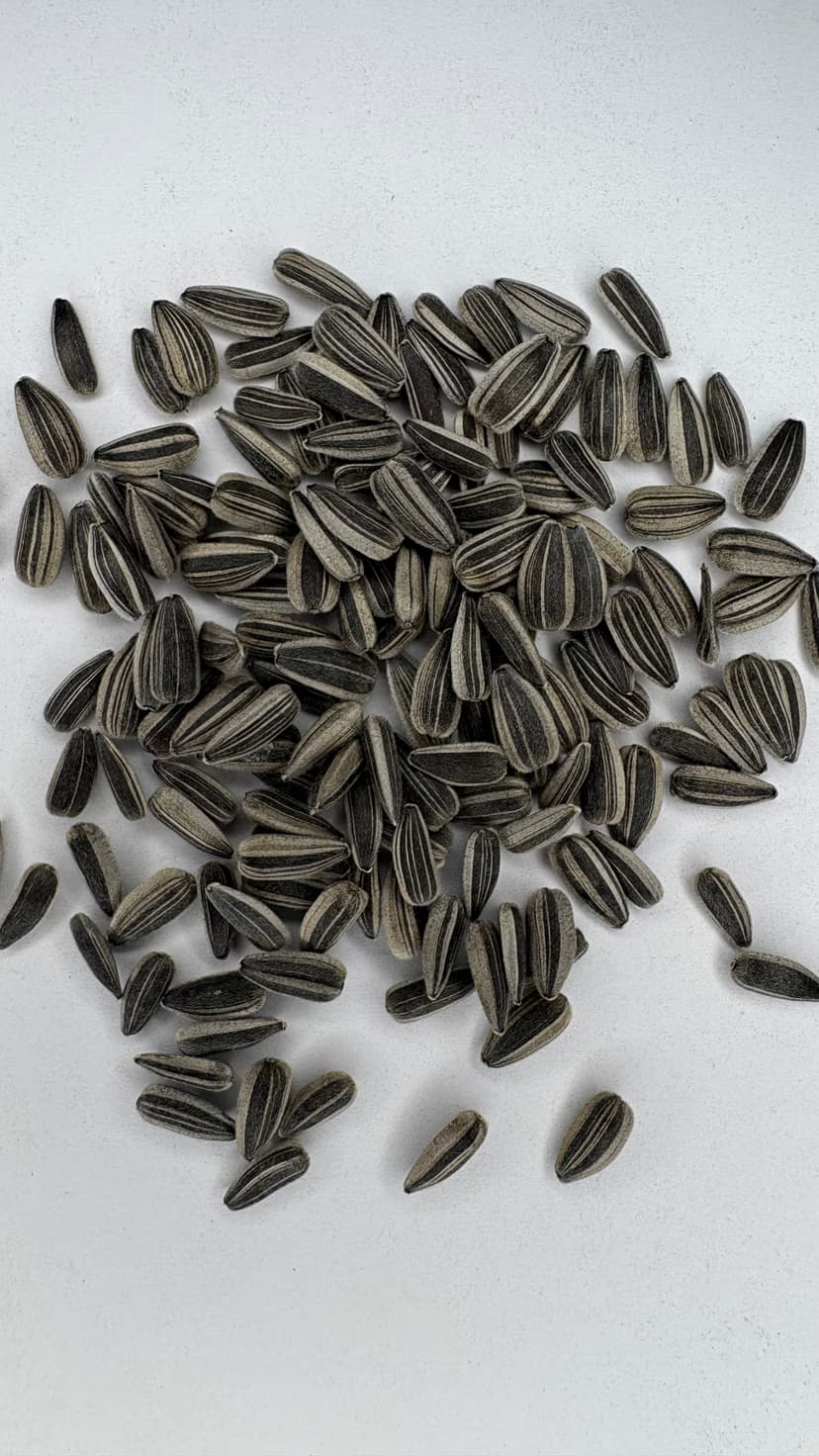
LS SWIFT
This early to very early hybrid combines stable productivity with good disease tolerance, making it suitable for bird food, oil and biofuel markets alike.
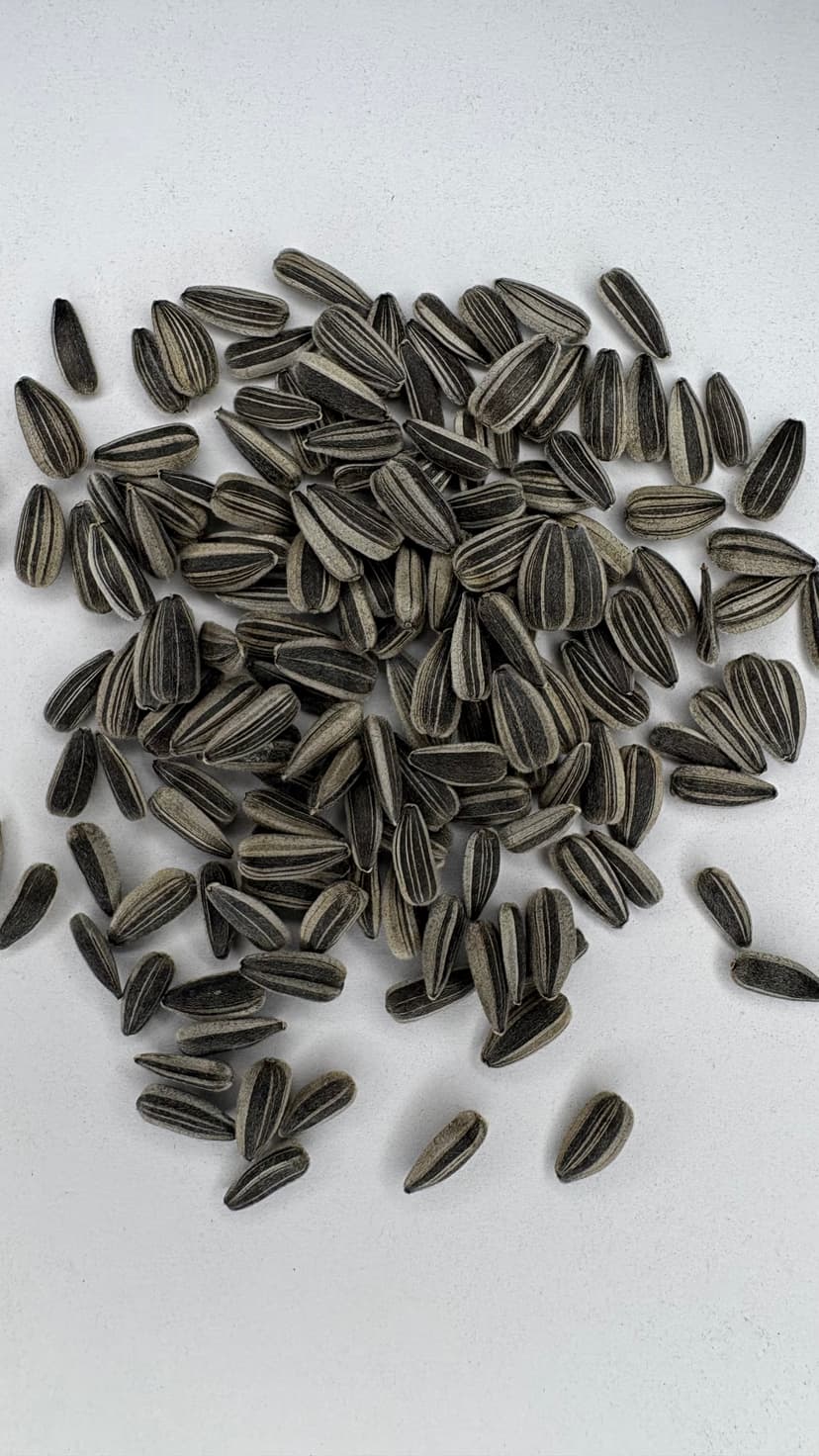
LS Pickit
Early striped linoleic sunflower with strong yield potential and high-quality grains.
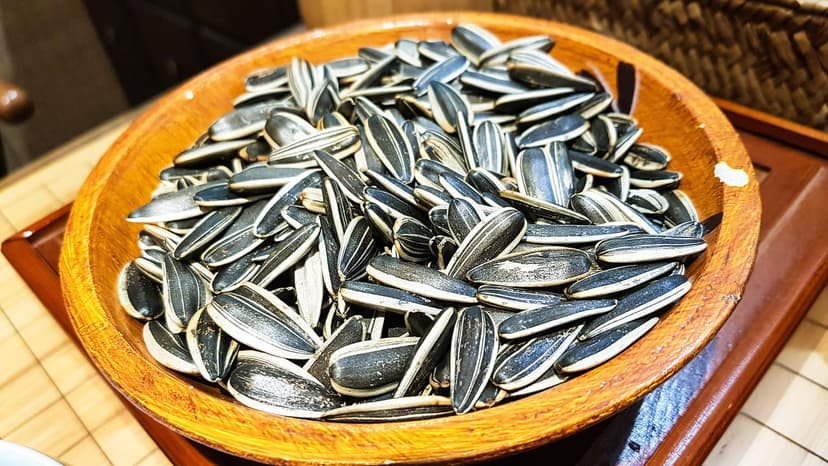
L 24-01 IS
Striped linoleic sunflower hybrid with high seed quality, strong yield and IMI tolerance.
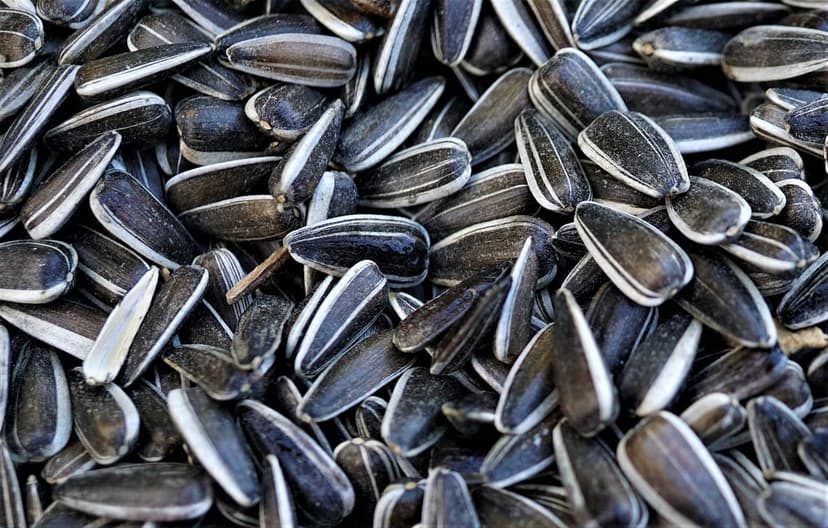
L 22-01 S
Very early striped linoleic hybrid with strong yield potential and attractive seed quality.
Compare varieties
| Variety | Earliness | Use | Yield potential |
|---|---|---|---|
| LS SWIFT | Early to very early | Bird food, oil and biofuel | 8/10 |
| LS Pickit | Early | Bird food, oil | 9/10 |
| L 24-01 IS | Early | Bird food, oil | 9/10 |
| L 22-01 S | Very early | Bird food, oil | 9/10 |
See the full range: Hybrid sunflower seeds →
Where to grow sunflower
Guides & insights on sunflower
View all articles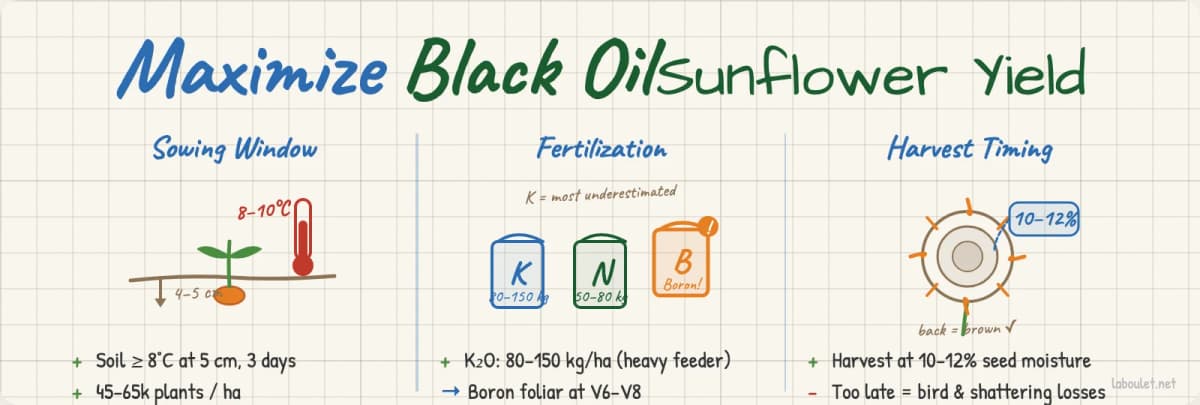
How to Maximize Black Oil Sunflower Yield: Agronomic Tips for Commercial Growers
Black oil sunflower (Helianthus annuus L.) is one of the highest-value oilseed crops available to commercial growers. Its seeds contain 40 to 50 percent oil by dry weight — substantially more than confectionery sunflower varieties — making it the preferred choice for edible oil, biodiesel, and high-energy livestock feeds. Yet black oil sunflower is also […]
Read more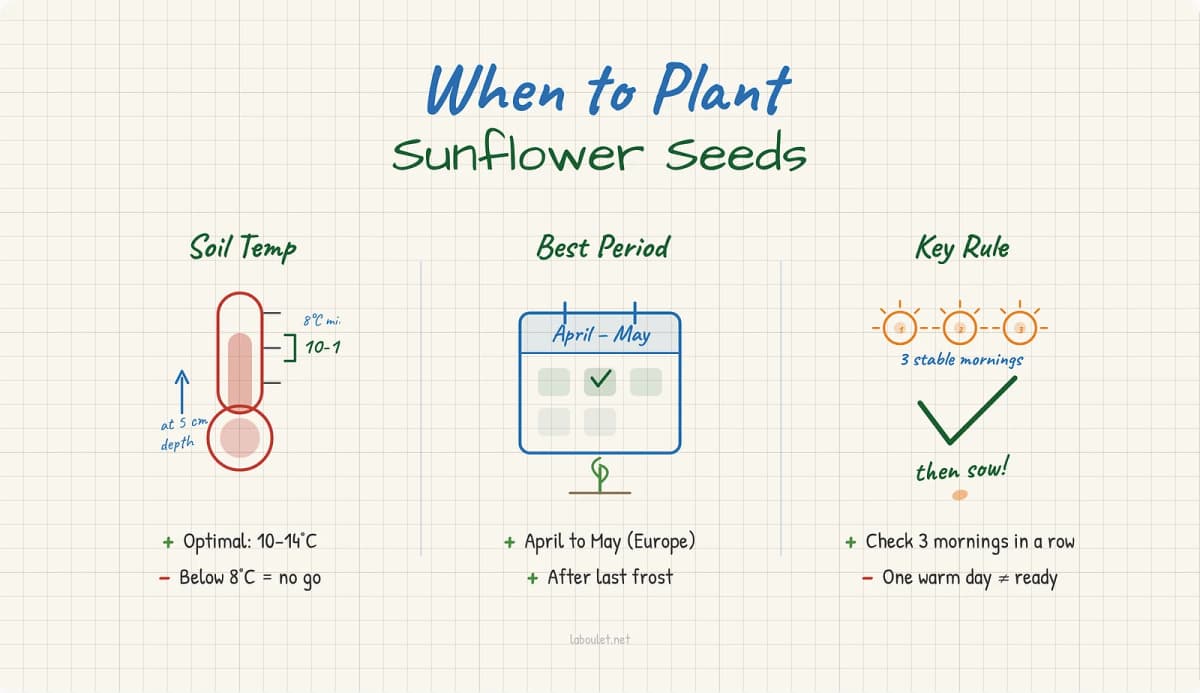
When to Plant Sunflower Seeds: Agronomic Timing for Commercial Growers
Planting date is not a calendar decision. It is an agronomic one. The difference between a productive sunflower crop and a mediocre stand often traces back to a sowing window of just ten to fifteen days. For professional growers, timing sunflower planting means reconciling soil temperature, varietal cycle length, downstream market requirements and regional climate […]
Read more
Where to Buy Sunflower Seeds for Planting
Choosing where to buy sunflower seeds for planting is not a simple sourcing question.It is an agronomic decision that conditions crop performance, market access, and production regularity over the season. Sunflower is grown across multiple filières: oilseed crushing, grain markets, animal feed, bird feed, forage, and occasionally as a cover crop.Each outlet imposes different varietal expectations, tolerance […]
Read moreUnderstanding striped linoleic sunflower seeds
Striped linoleic sunflower seeds are hybrids that combine a visually distinct striped husk pattern with a linoleic oil profile traditionally used in many edible-oil and seed applications. This dual characteristic allows growers to target both de-hulling or snack markets as well as conventional linoleic oil supply chains.
Our hybrid sunflower seeds maintain this combination through consistent breeding, ensuring uniform seed appearance and a linoleic fatty-acid profile suitable for processors. These traits position our varieties as reliable options for growers seeking diversification beyond standard oilseed types.
Why choose our varieties of striped linoleic sunflower seeds?
Our varieties are developed through targeted varietal creation focused on husk pattern stability, market-demand alignment and field performance. This allows us to provide striped linoleic sunflower seeds that integrate seamlessly into snack segments while offering solid performance for linoleic oil production.
Through our agronomic solutions, growers benefit from guidance on sowing, rotation, crop protection and harvest management. Our ranges are adapted to diverse regions and reflect our expertise in seed production for both oilseed and specialty seed categories.
Agronomic benefits of striped linoleic sunflower seeds
- Striped husk pattern allowing access to snack and de-hulling markets.
- Linoleic oil profile aligning with traditional sunflower oil uses.
- Good agronomic balance of yield, vigour and seed uniformity.
- Adaptation to a wide range of soil and climate conditions.
- Opportunity to diversify production with a specialty seed category.
Cultivation and usage conditions for our seed range
- Select fertile, well-drained soils to support uniform emergence.
- Apply sowing densities adapted to the architecture of our varieties.
- Maintain seed purity and husk pattern integrity through careful handling.
- Monitor bird pressure, which may be higher on striped seed types.
- Harvest at optimal moisture to maintain both striped appearance and linoleic oil quality.
Technical comparison: striped linoleic vs other sunflower seed types
Striped linoleic sunflower seeds differ from black-husk oilseed types and high oleic hybrids in seed appearance, oil profile and market route. Understanding these differences helps growers choose the right hybrid from our ranges.
Seed appearance, oil profile and market fit
- Linoleic oil profile features higher polyunsaturated content compared with high oleic hybrids.
- Striped husk distinguishes these seeds from black-husk oilseed types used primarily for pressing.
- Snack and de-hulling markets often prefer striped or white-striped seed appearance.
- Our varieties provide stable seed size, husk patterning and expected linoleic levels.
Yield and agronomic stability
Striped linoleic hybrids generally offer yields comparable to other linoleic-based sunflower seeds when grown under appropriate conditions. Our agronomic solutions support growers with region-specific advice to maintain performance in varied environments.
Supply-chain and post-harvest considerations
- Striped seeds may require segregation for snack or de-hulling contracts.
- Standard black-husk seeds typically move through commodity oil supply chains.
- Linoleic vs high oleic differences may influence storage and processing constraints.
- Our ranges enable flexibility depending on the grower’s target market.
Market and value-chain perspectives for our striped linoleic seeds
Striped linoleic sunflower seeds allow entry into multiple value chains thanks to their combined husk pattern and oil type. Snack processors may value the striped appearance, while refiners use linoleic oil as a versatile component in edible-oil blends.
Snack, de-hulling and linoleic oil applications
- Snack-grade seed requiring a bright, striped surface and consistent sizing.
- De-hulling operations where husk traits influence processing efficiency.
- Linoleic sunflower oil used widely in food manufacturing.
- Blended oil applications requiring higher polyunsaturated content.
Segregation and purity requirements
Maintaining seed identity is important for striped linoleic products. Our agronomic solutions include handling recommendations to preserve husk integrity and avoid mixing with other sunflower types during harvest and storage.
Key agronomic parameters for successful cultivation of our striped linoleic sunflower seeds
Striped linoleic sunflower seeds require balanced crop management to achieve both seed quality and oil content objectives. Our hybrid sunflower seeds are designed to perform reliably when agronomic fundamentals are respected.
Soil, climate and rotation
- Well-drained soils help ensure strong early establishment.
- Rotations with cereals and legumes reduce disease pressure.
- Adequate heat units are necessary for full seed fill and linoleic oil formation.
- Select regions with moderate disease risk and suitable planting windows.
Sowing, fertilisation and crop protection
- Create a fine, uniform seedbed to promote even emergence.
- Apply nutrients according to expected yield and soil reserves.
- Control weeds early to protect establishment and seed formation.
- Monitor diseases and pests using thresholds adapted to each hybrid.
- Refer to our agronomic solutions for hybrid-specific recommendations.
Harvest and storage to preserve quality
Timely harvest limits exposure to lodging, pests and weather risks. Proper storage prevents damage to the striped husk and helps maintain linoleic oil characteristics. Our agronomic solutions outline moisture targets and recommended handling practices.
Selecting the right variety from our ranges
Choosing a striped linoleic hybrid from our varieties depends on regional climate, maturity class, target market and yield potential. Our ranges cover early, mid-early and mid-season types suitable for different production zones.
Variety selection criteria
- Maturity class adapted to planting window and climate.
- Stable striped pattern demanded by snack and de-hulling markets.
- Expected linoleic oil level under local growing conditions.
- Yield and agronomic behaviour observed in field trials.
Integrating our agronomic solutions
Our agronomic solutions help growers optimise sowing density, rotation choices, fertilisation and crop protection to maximise the potential of our hybrid sunflower seeds. This integrated approach ensures reliable results across seasons.
FAQ
What are striped linoleic sunflower seeds?
They are sunflower hybrids characterised by a striped husk and a traditional linoleic oil profile, suitable for snack and oilseed markets.
How do striped linoleic seeds differ from other sunflower types?
They differ in husk appearance and oil composition, giving access to de-hulling or snack markets as well as linoleic oil channels.
Do our striped linoleic varieties yield as well as other sunflower seeds?
Our varieties are designed to deliver competitive yields along with stable seed quality and husk pattern integrity.
What agronomic conditions help maintain linoleic oil quality?
Balanced fertilisation, timely harvest and proper storage help maintain the linoleic profile and overall seed quality.
Which markets use striped linoleic sunflower seeds?
Snack, de-hulling operations and linoleic oil production are common outlets for this seed type.
Does the striped husk influence processing?
Yes, the husk pattern can influence de-hulling efficiency and market classification for snack seed.
What risks should growers monitor?
Bird pressure, disease outbreaks and weather at flowering must be monitored to protect yields and seed quality.
How do I choose the right hybrid from your ranges?
Consider maturity, yield goals, striped pattern consistency and target market conditions.
What storage precautions should I take?
Use clean, dry storage conditions to protect husk appearance and prevent degradation of oil quality.
Are special contracts needed for striped linoleic production?
Some markets may require dedicated segregation or specific seed quality parameters depending on end use.
Within striped linoleic profiles, producers commonly consider the parent Striped Sunflower Seeds and the broader Hybrid Sunflower Seeds, while comparing this type with Striped High Oleic Sunflower Seeds and Black Linoleic Sunflower Seeds for a clear understanding of fatty-acid and agronomic differences.