
Yellow Pea Seeds for professional growers worldwide
Yellow-cotyledon field peas for protein markets and feed applications
2 varieties
Key advantages
Neutral yellow color ideal for protein isolate and flour production
High protein content meets growing plant-based protein demand
Strong nitrogen fixation benefits following crops
Good standing ability reduces harvest losses
Yellow Pea Seeds
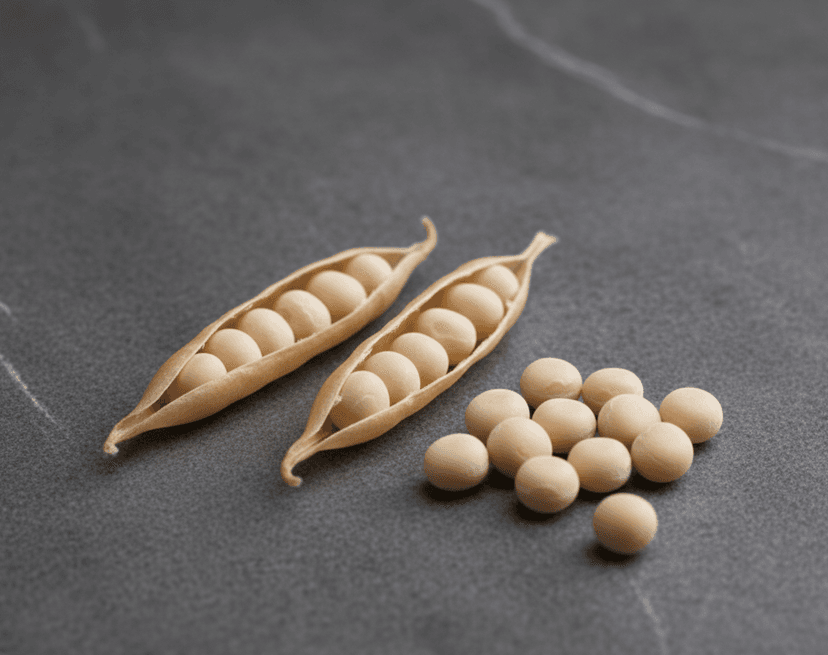
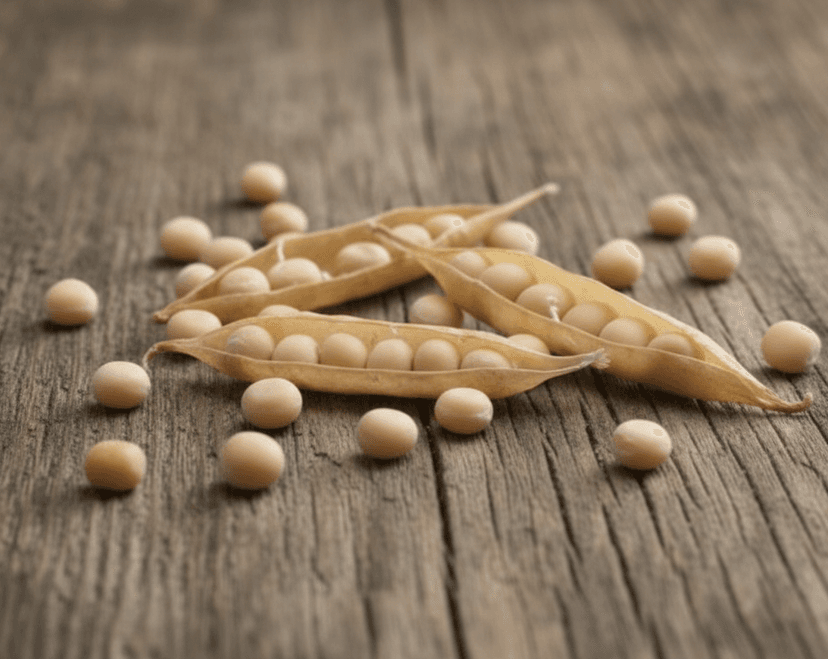
See the full range: Pea seeds for protein, forage and winter cropping →
Where to grow pea
See all regions→
Guides & insights on pea
View all articlesYellow pea seeds for protein and sustainable rotations
Yellow pea seeds are at the heart of modern protein cropping, providing high levels of plant-based protein while improving the performance of diversified rotations. Our varieties are designed for professional farming systems where yield, quality and environmental performance must be combined in a single crop. By integrating yellow peas into rotations alongside cereals, oilseeds and our hybrid sunflower seeds, growers can benefit from nitrogen fixation, soil structure improvements and access to high-value outlets in food, feed and industrial applications. Our agronomic solutions support this strategy from variety selection to harvest.Why choose our yellow pea seed varieties?
High protein content and yield potential
Yellow pea seeds are recognised for their elevated protein content and our varieties are bred to maintain this nutritional advantage while delivering stable yields. Protein levels, grain size and uniformity are key criteria in our ranges so that crops can meet the requirements of feed mills, protein ingredient manufacturers and other buyers. The combination of high protein potential and consistent yield makes our varieties suitable for both food and feed value chains, with a particular fit for fractionation into protein, starch and fibre.- Our varieties target competitive protein levels for food and feed markets.
- Our ranges focus on yield stability across seasons and soil types.
- Our agronomic solutions help secure protein potential through adapted management.
Early-cycle genetics and harvest security
Early-cycle characteristics are central in our yellow pea breeding, allowing crops to reach maturity within secure windows even in regions with compressed growing seasons. Early flowering and a controlled grain-fill period help safeguard colour, protein quality and harvest conditions. Our ranges cover early and mid-early maturity groups so that farmers can position yellow peas within rotations that already include cereals, oilseeds and other legumes without overcrowding the harvesting calendar.- Our varieties offer short to medium cycles adapted to temperate climates.
- Our ranges support earlier harvests that avoid late-season stress.
- Our agronomic solutions guide the choice of maturity group by region.
Agronomic robustness in the field
Beyond yield and protein, our varieties are bred for field performance, including emergence, standability and tolerance to key foliar and root diseases. Plant height and architecture are balanced to limit lodging while maintaining good harvestability. Seed lots in our ranges are produced under controlled conditions in order to offer good germination capacity, uniform seed size and clean lots that establish quickly in the field.- Our varieties show vigorous emergence and uniform stands.
- Our ranges include profiles with improved standability to limit lodging.
- Our agronomic solutions integrate varietal choice with rotation and soil constraints.
Our ranges of yellow pea seeds and their uses
Protein peas for food ingredients
Yellow pea seeds are widely used as a raw material for protein concentrates, isolates and texturised ingredients used in plant-based foods. Our varieties for these outlets are selected for their protein level, starch composition, grain size and colour stability. These grains are suitable for processes that separate protein, starch and fibre, and they fit into a growing demand for local, non-soy protein sources.- Our varieties support the production of pea protein, starch and fibre ingredients.
- Our ranges favour uniform grain characteristics for industrial processing.
- Our agronomic solutions help align harvest quality with ingredient specifications.
Yellow peas for feed and on-farm use
Many farms and feed manufacturers use yellow pea seeds directly as a protein and energy source in rations for ruminants, pigs and poultry. Our varieties adapted to feed markets combine grain yield, starch content and good storage characteristics. By integrating peas with cereals and other protein sources, nutritionists can formulate balanced diets while taking advantage of the benefits of home-grown or regional protein crops.- Our varieties for feed balance protein and starch for ration formulation.
- Our ranges are suitable for on-farm use and industrial feed plants.
- Our agronomic solutions consider feed needs when advising on variety choice.
Industrial and alternative uses of yellow pea seeds
In addition to food and feed, yellow pea seeds can be used to produce starches and fibres that enter applications such as biodegradable materials and speciality products. Functional properties of starch and fibre fractions create opportunities for technical uses beyond traditional markets. Our varieties can be oriented towards these outlets when local processing facilities or contracts are available, and this potential is considered when structuring our ranges.- Our varieties can support starch extraction for technical applications.
- Our ranges participate in the development of bio-based material chains.
- Our agronomic solutions help position yellow peas within such emerging markets.
Agronomic guide: how to grow yellow peas with our varieties
Soil, climate and rotation
Yellow peas perform best in temperate climates with cool to mild conditions at emergence and flowering and moderate temperatures at grain fill. Our varieties are adapted to these contexts and are positioned as spring or early-season crops in most rotations. Well-drained soils with moderate structure and a pH close to neutral are generally favourable, while waterlogging should be avoided to limit root diseases. As a legume, the crop contributes nitrogen to the system and follows well after cereals or oilseeds.- Our varieties are suited to well-drained, medium-textured soils.
- Our ranges integrate spring sowing positions in mixed rotations.
- Our agronomic solutions help define the best place for peas in multi-year plans.
Sowing recommendations for yellow pea seeds
Sowing date, density and row spacing must be adapted to local climate and soil conditions, and our agronomic solutions provide reference ranges for each situation. Yellow pea seeds should be placed deep enough to reach stable moisture while ensuring good seed–soil contact and avoiding compaction in the seedbed. Sowing rates vary according to target plant population, seed size and expected field losses, and should also reflect the end use of the crop.- Our varieties are sown in rows with spacing adapted to equipment and weed control strategy.
- Our ranges can be adjusted in sowing density depending on soil fertility and objectives.
- Our agronomic solutions provide region-specific sowing windows and population targets.
Fertilization and crop protection
As a legume, the yellow pea crop usually requires limited mineral nitrogen, and excessive nitrogen can favour lodging and delay maturity rather than increasing yield. Phosphorus, potassium, sulphur and micronutrients should be balanced according to soil tests and expected exportation. Our agronomic solutions integrate these elements into fertilization plans and also address crop protection strategies, including rotation design, variety choice and monitoring of foliar and root diseases.- Our varieties are designed to perform with moderate nitrogen inputs.
- Our ranges benefit from balanced P, K, S and micronutrient nutrition.
- Our agronomic solutions support integrated management of weeds and diseases.
Harvest, storage and quality criteria
For yellow pea seeds, harvest should occur when grains reach the appropriate moisture content and colour for the intended outlet, and our varieties are bred to reach this stage within predictable time frames. Timely harvest helps preserve grain integrity, minimise splitting and maintain protein quality. Storage conditions must be controlled to limit moisture uptake, heating and pest development, so that the initial quality of crops from our ranges is preserved until use or processing.- Our varieties show maturity profiles suitable for secure harvest windows.
- Our ranges support good grain uniformity and colour at harvest.
- Our agronomic solutions include guidance on storage moisture and handling.
Yellow pea seeds, nutrition and sustainability
Nutritional benefits of yellow peas
Yellow peas provide a concentrated source of plant-based protein, complex carbohydrates and dietary fibre, making them a valuable component of human and animal diets. Vitamins and minerals also contribute to their nutritional profile and explain the growing demand for pea-based ingredients in a wide range of products. Crops from our varieties feed into these value chains by supplying grains that match the expectations of processors who formulate high-protein foods, beverages, snacks and feed products.- Our varieties support the supply of plant-based protein for food and feed.
- Our ranges contribute to fibre and micronutrient intakes through derived products.
- Our agronomic solutions help secure the consistency required by processors.
Environmental advantages of yellow pea cropping
Yellow peas are recognised as a crop with a favourable environmental footprint, notably thanks to nitrogen fixation, reduced use of nitrogen fertilizers and relatively low water requirements in many regions. Integrating peas into rotations supports soil structure and biodiversity while helping to diversify farm income sources. Our varieties are developed to fit into these sustainable systems and our agronomic solutions build on legume functions to improve the overall performance of rotations that also include cereals, oilseeds and forage crops.- Our varieties contribute to reduced mineral nitrogen needs in rotations.
- Our ranges participate in diversified, legume-rich cropping patterns.
- Our agronomic solutions integrate environmental performance into technical advice.
Laboulet research and agronomic support for yellow peas
Varietal creation and field evaluation
Our varieties are the result of targeted varietal creation programmes in which yellow pea lines are crossed, selected and tested across several environments and years. Yield potential, protein content, agronomic behaviour and technological quality are all assessed before a line enters our ranges. This work builds on our broader expertise in legumes, oilseeds and other crops, including our hybrid sunflower seeds, and ensures that yellow peas are positioned consistently with the expectations of farmers and partners.- Our varieties pass through multi-year, multi-site evaluation stages.
- Our ranges integrate agronomic and technological criteria for different outlets.
- Our agronomic solutions are informed by results from these varietal trials.
Our agronomic solutions for yellow pea growers
Our agronomic solutions provide support throughout the crop cycle, from variety choice and rotation planning to sowing, fertilization, crop protection and harvest decisions. They also take into account downstream requirements from processors, cooperatives and feed manufacturers. By linking technical advice with the characteristics of our ranges, growers can make decisions that balance yield, quality, economic performance and environmental impact.- Our agronomic solutions connect varietal traits with on-farm objectives.
- Our ranges are accompanied by technical references tailored to different regions.
- Our varieties benefit from continuous feedback from the field and partner networks.