
Growing Sunflower in Grand Est
13 adapted varieties
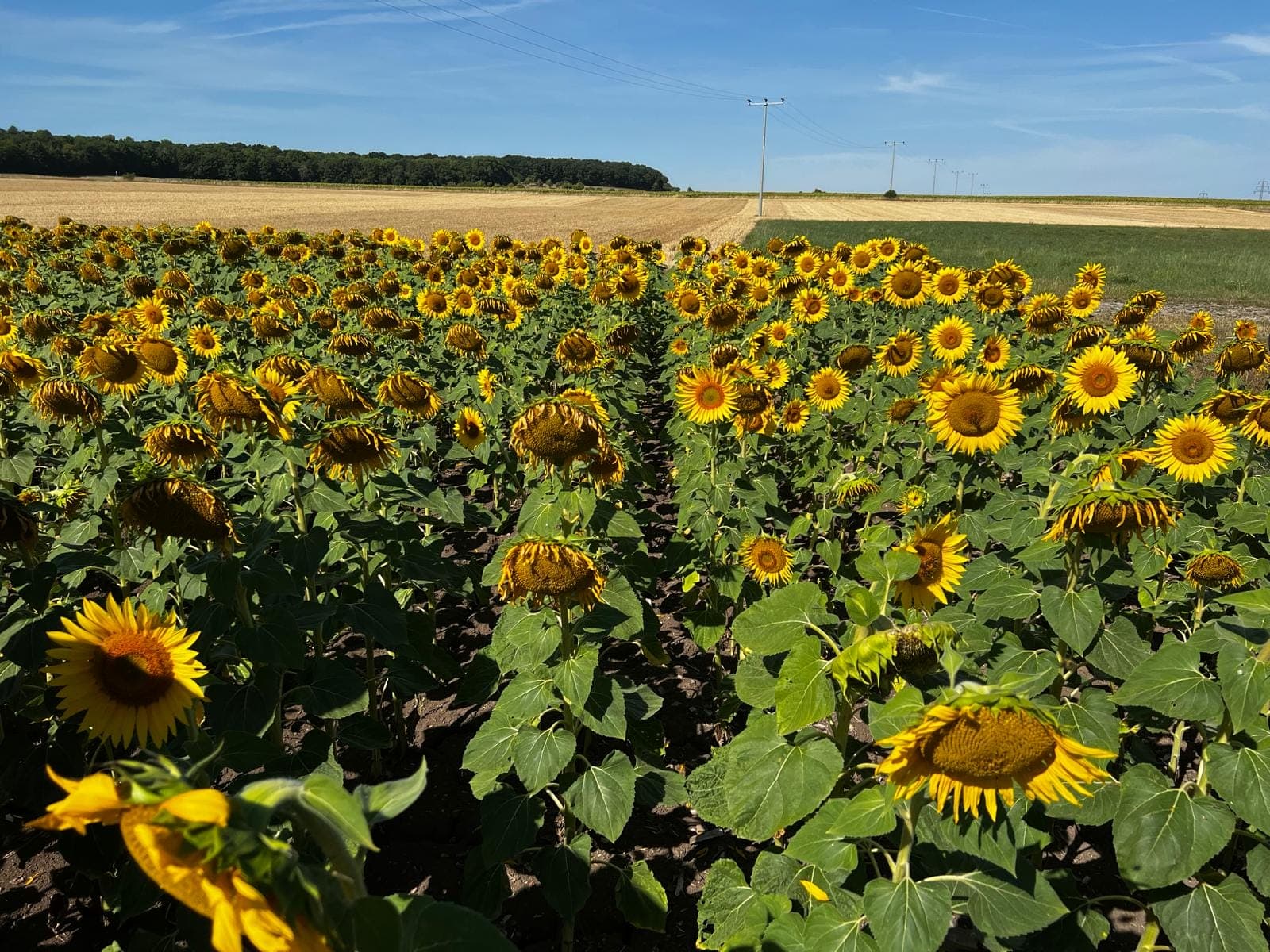
In Grand Est, the local agronomic conditions (Cfb — oceanic temperate climate, 927 growing degree days, silty clay loam soil at pH 7, 248 frost-free days) allow sunflower cultivation.
Favorable growing period: May to September.
Recommended varieties: LS SKIPPY, LS Lollipop, L 22-01 S
Climate
Limited growing degree days (927 GDD). Choose the earliest maturing varieties.
Notable summer water deficit (-294 mm). Pick drought-tolerant varieties.
Long frost-free season (248 days), allowing broad crop cycles.
Sowing calendar
Favorable growing period: May to September.
Soil & recommendations
Neutral pH (7), suitable for most crops.
Recommended varieties
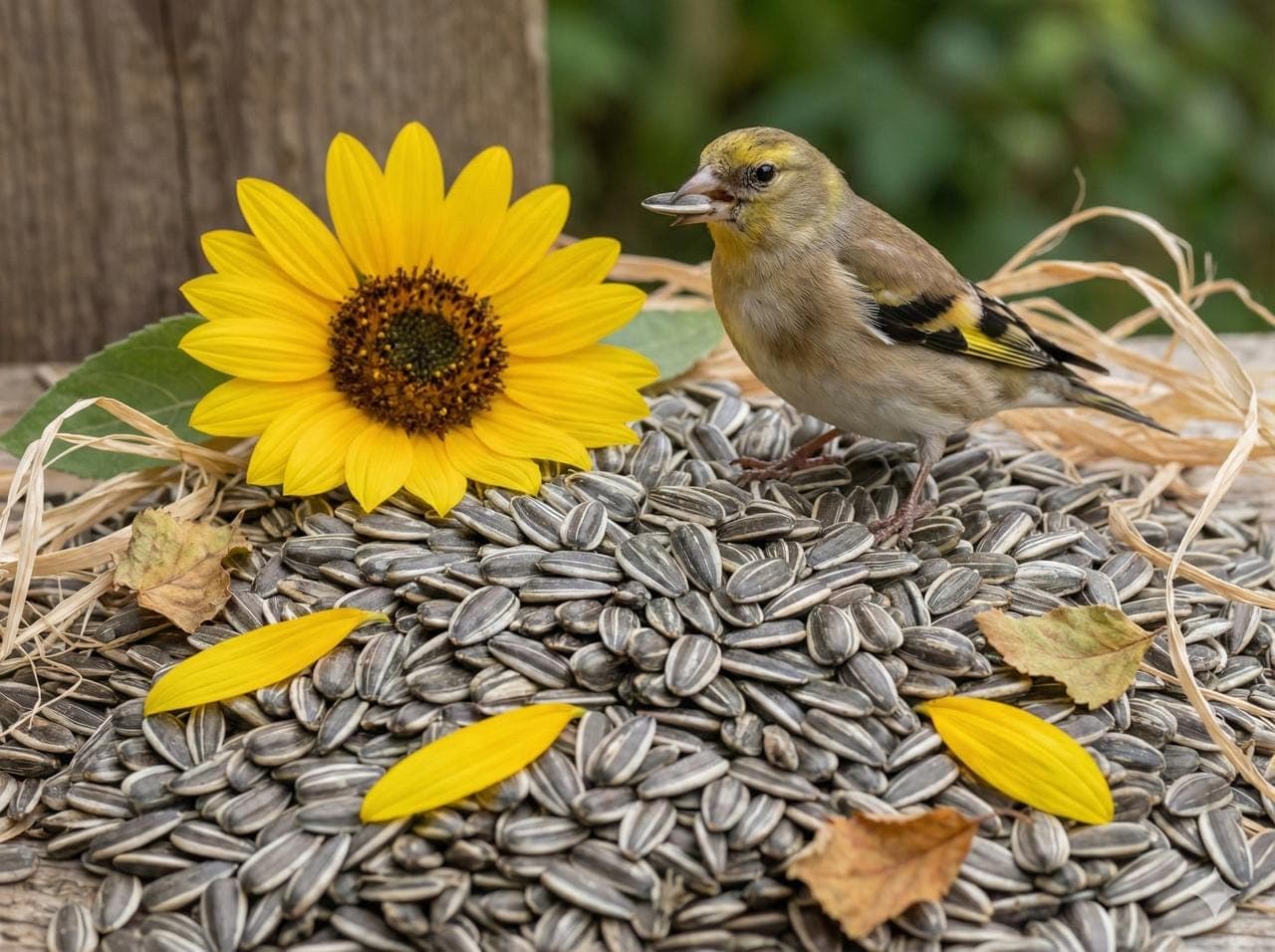
LS SKIPPY
Striped IMI sunflower with safe yield potential, high grain quality and multiple market uses.
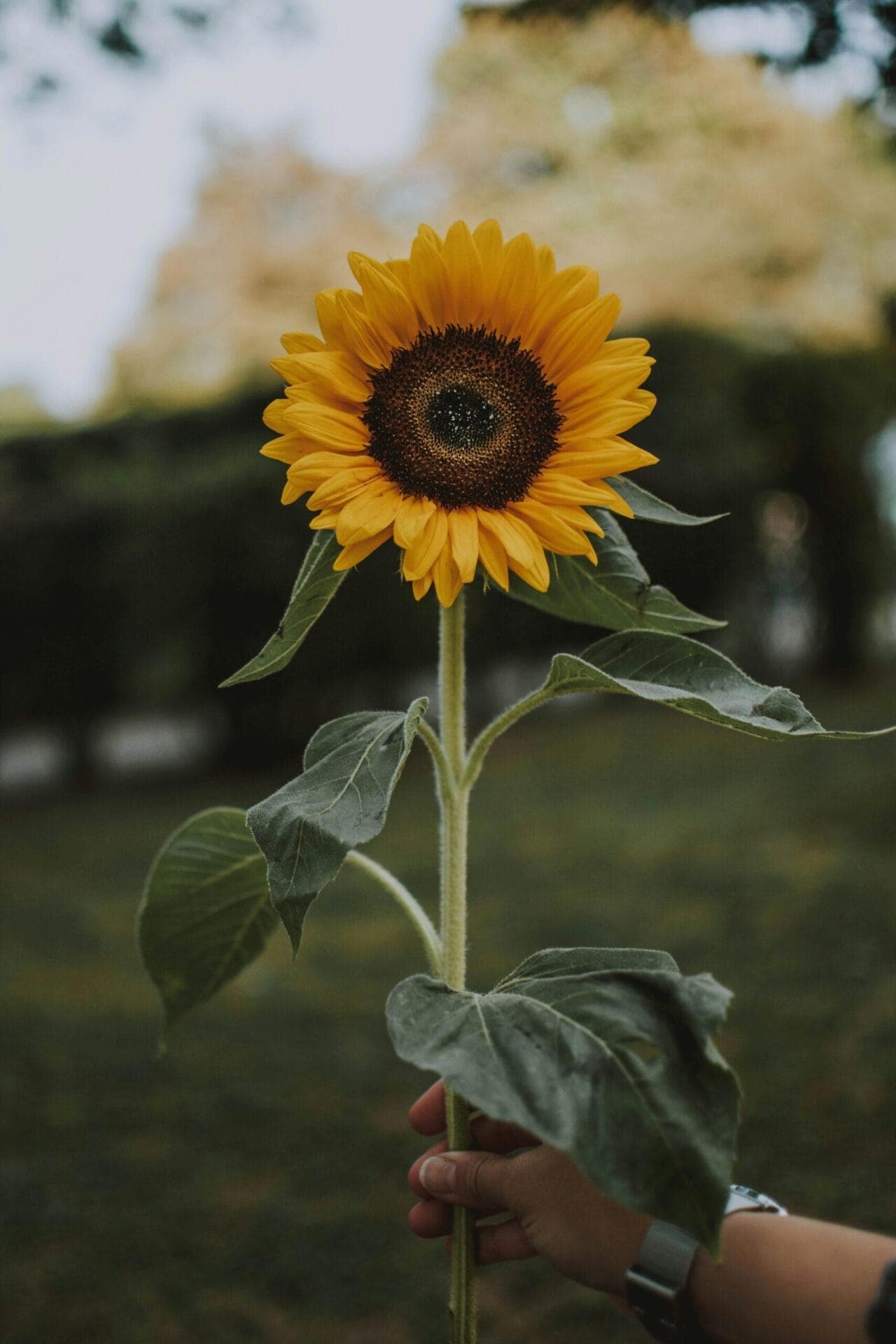
LS Lollipop
Striped high-oleic sunflower with strong yield, high oil quality and wide market suitability.
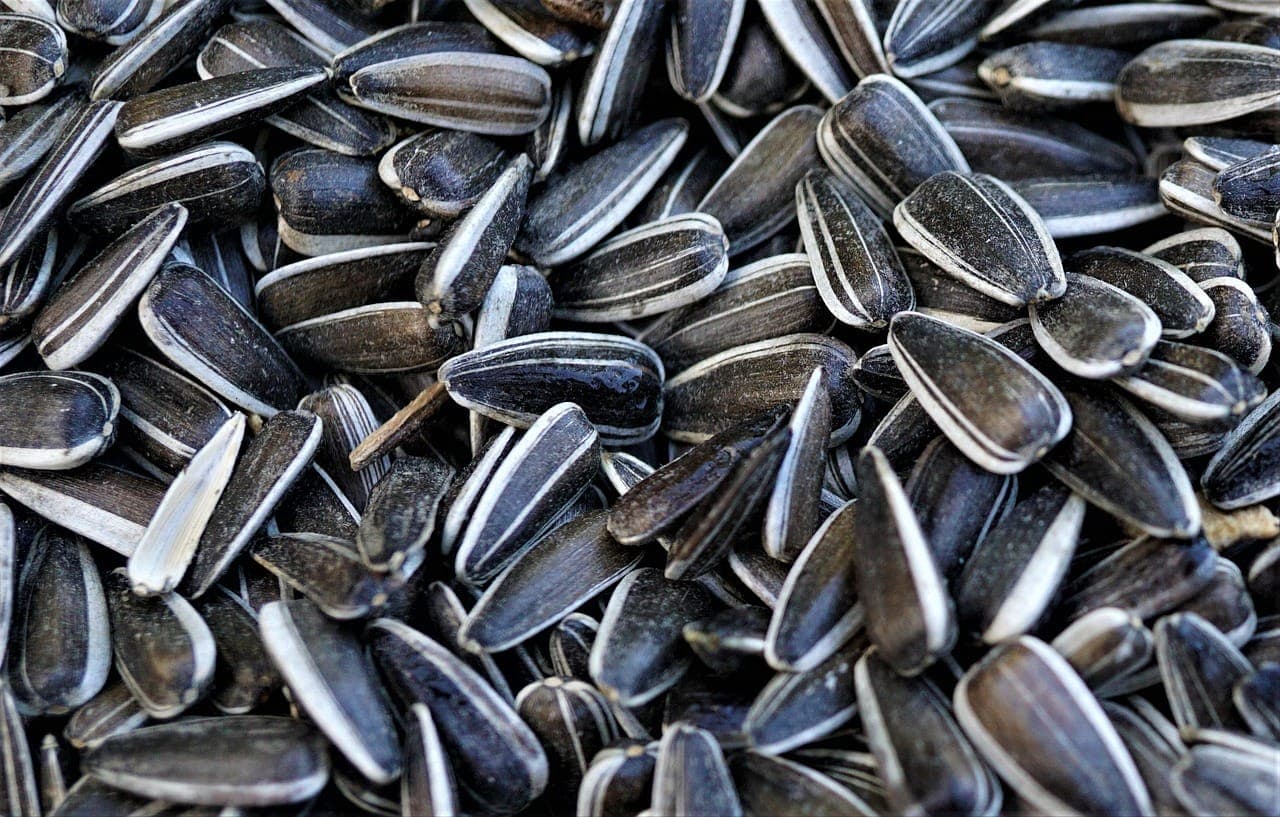
L 22-01 S
Very early striped linoleic hybrid with strong yield potential and attractive seed quality.
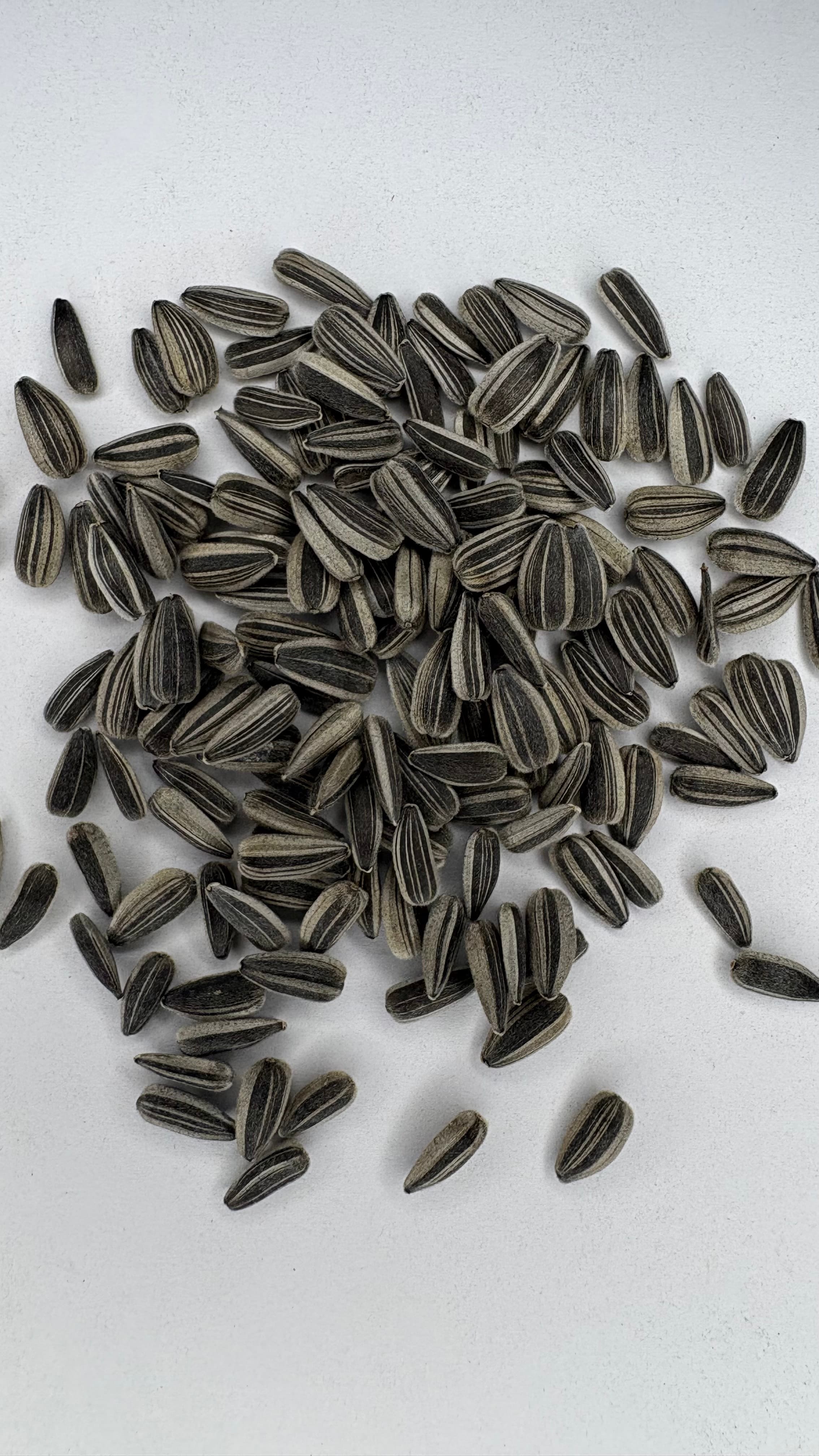
LS SWIFT
This early to very early hybrid combines stable productivity with good disease tolerance, making it suitable for bird food, oil and biofuel markets alike.

LSL18-02 I
Early IMI linoleic sunflower hybrid with excellent grain yield, strong lodging resistance and good oil content.
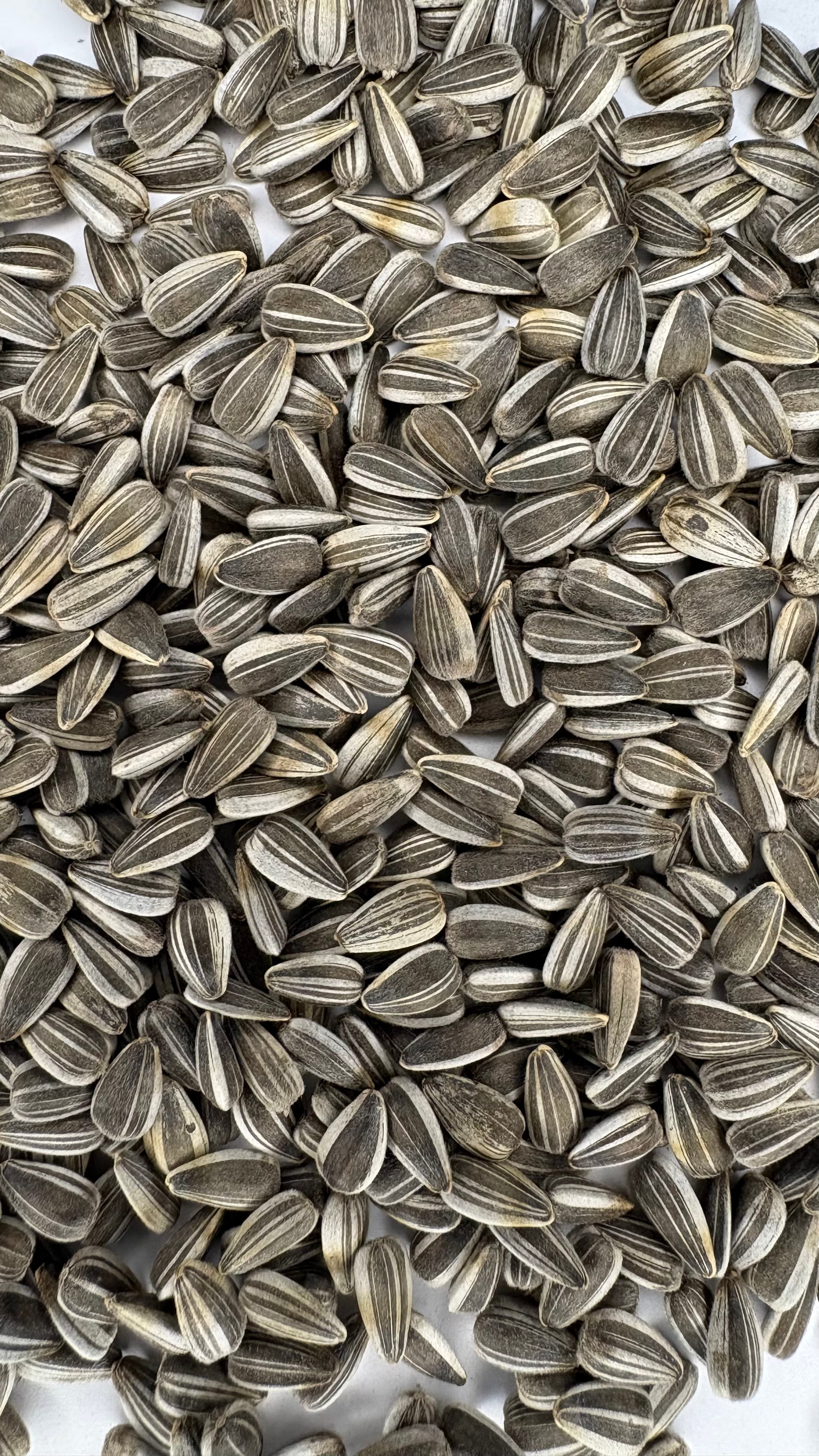
L 25-01 IOS
Striped high oleic sunflower hybrid with IMI tolerance, strong yield potential and attractive striped seed.
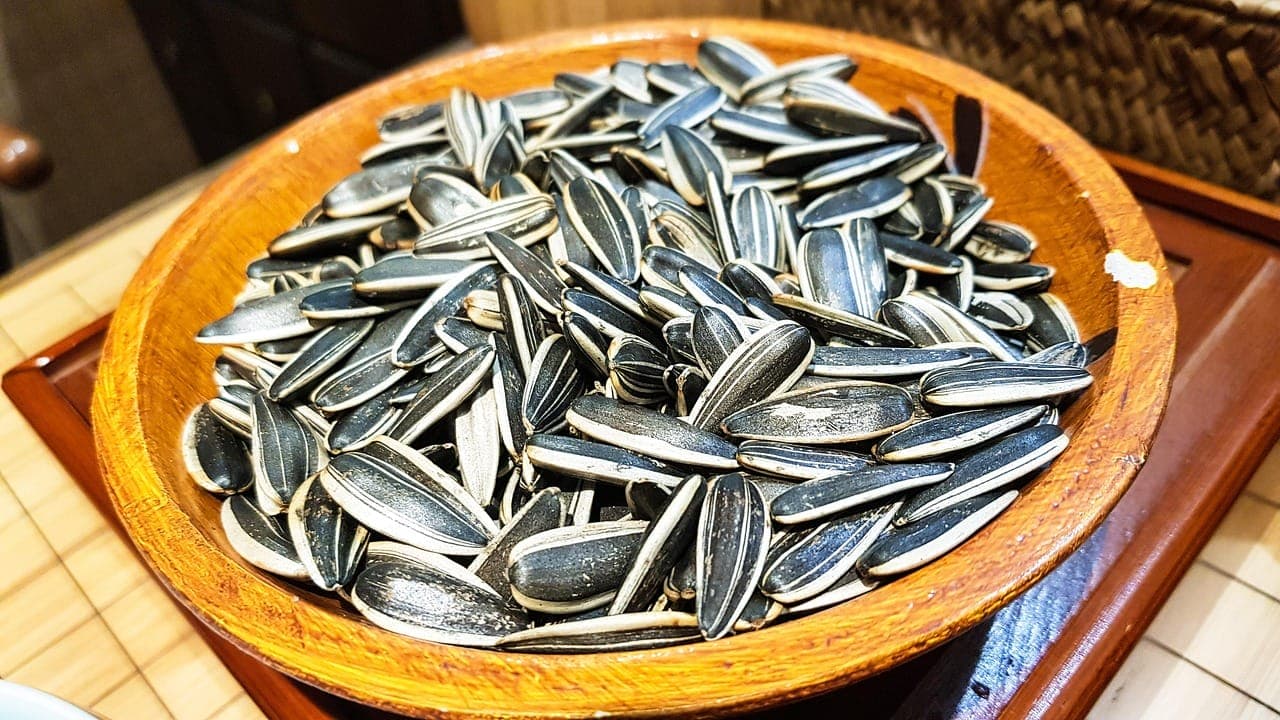
L 24-01 IS
Striped linoleic sunflower hybrid with high seed quality, strong yield and IMI tolerance.
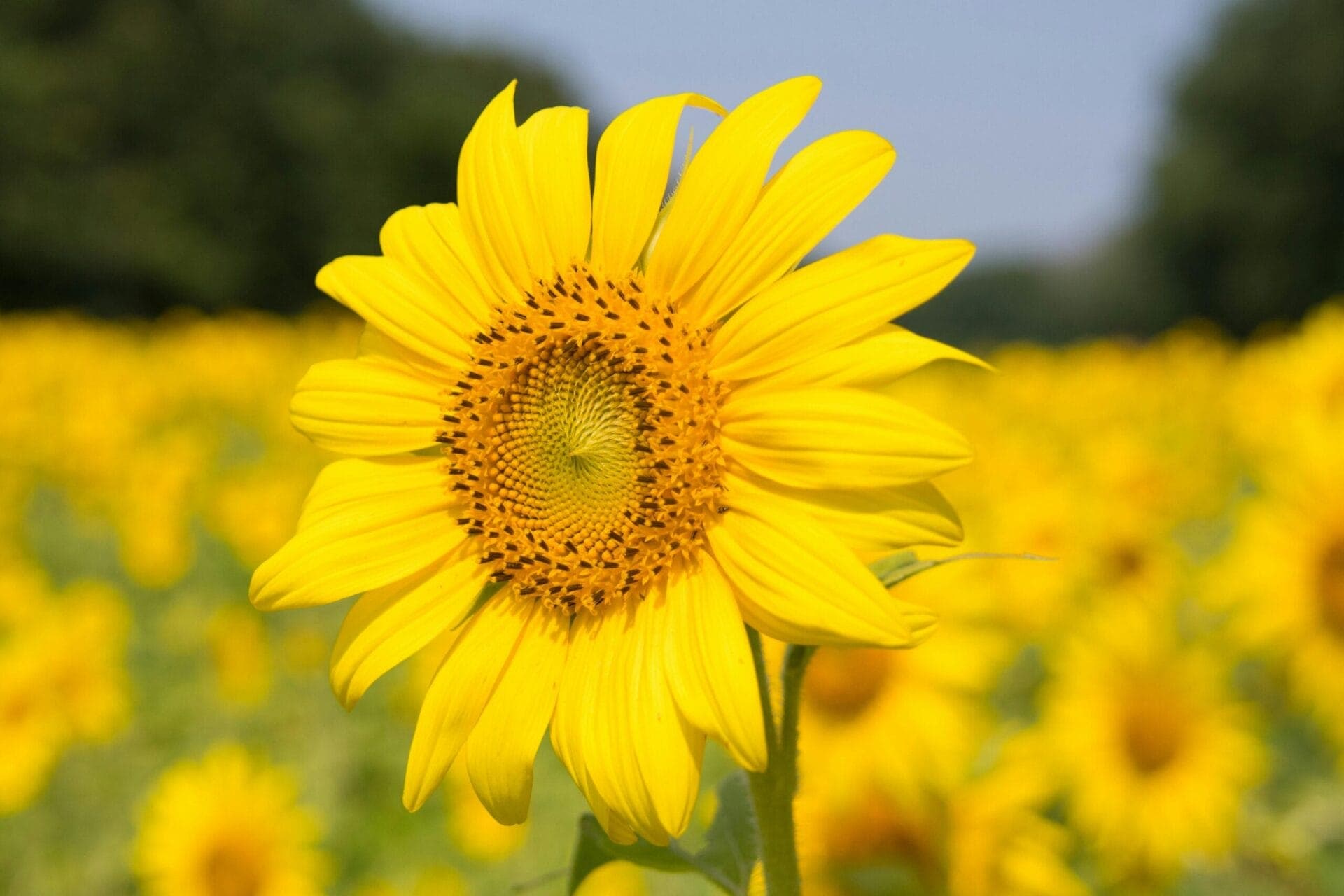
LS GLOBSUN
High-yielding linoleic sunflower hybrid with strong lodging and mildew tolerance.
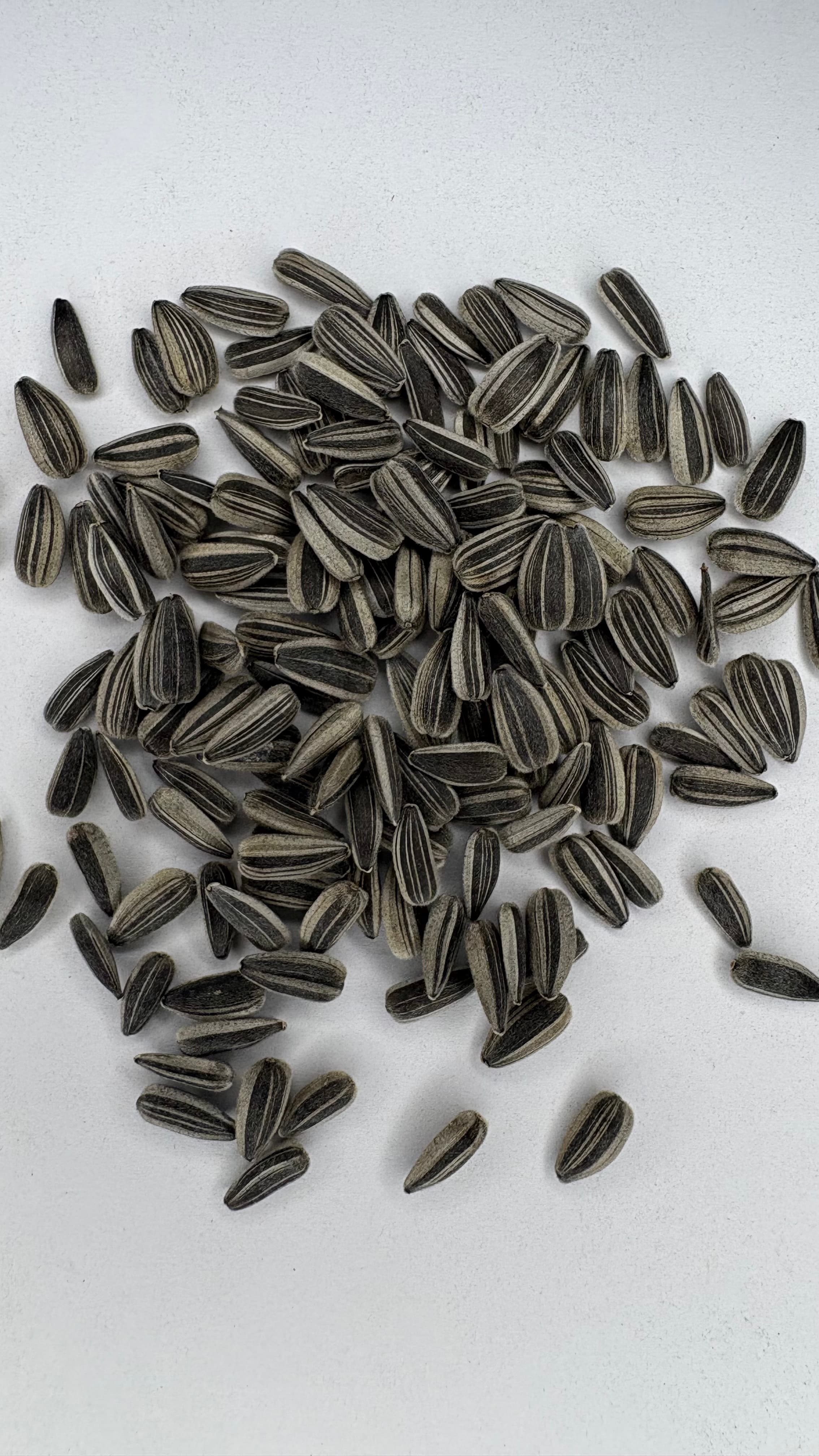
LS Pickit
Early striped linoleic sunflower with strong yield potential and high-quality grains.

LS Luminal
High-yield linoleic sunflower with strong disease resistance and wide adaptability.
L 15-13 OS – BLUEBIRD
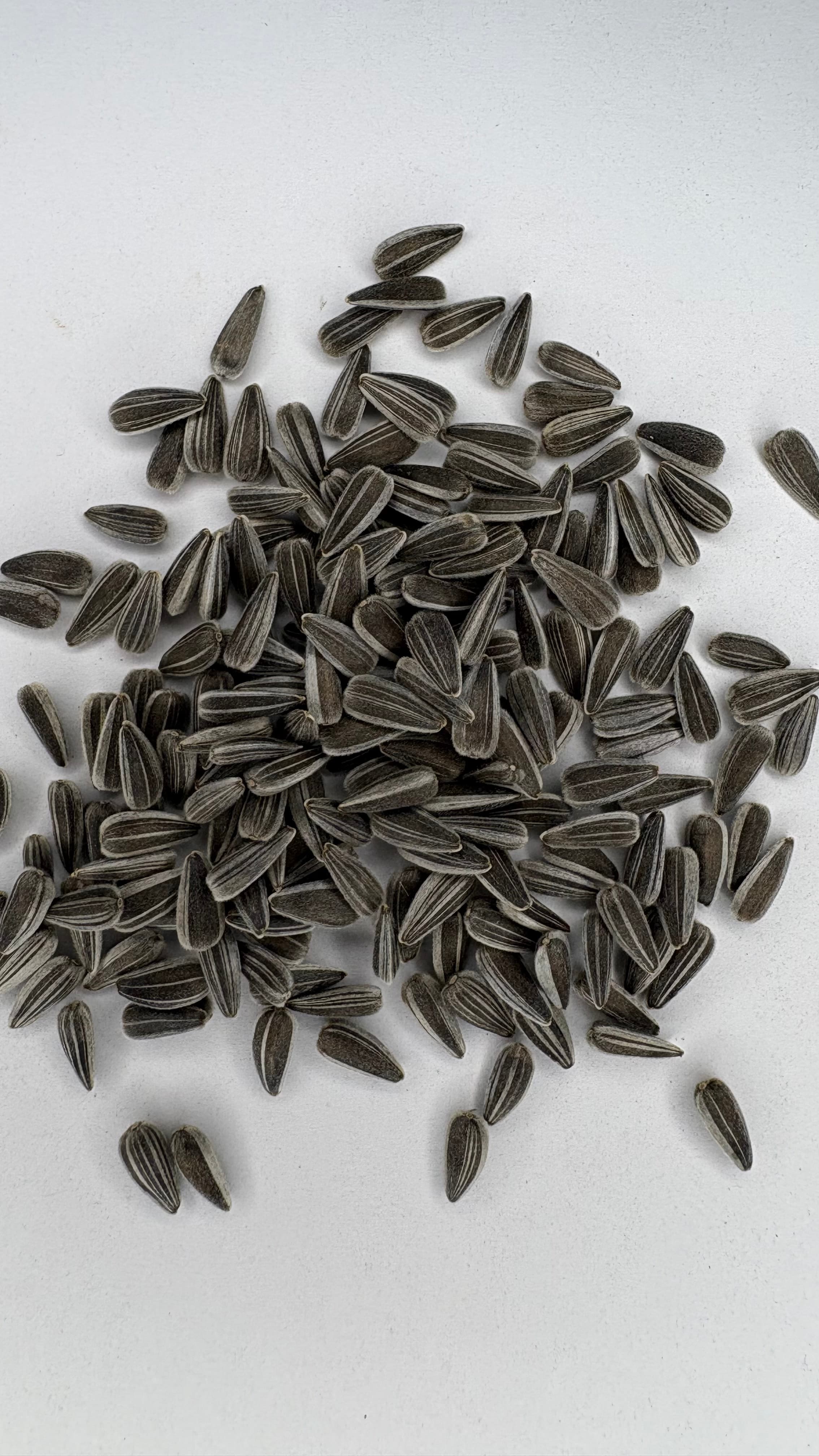
Striped high oleic hybrid with strong grain yield, excellent seed quality and high oleic acid content.
LS Starly
High-oleic striped sunflower with IMI tolerance, strong grain quality and multi-market suitability.
L 25-02 IOS
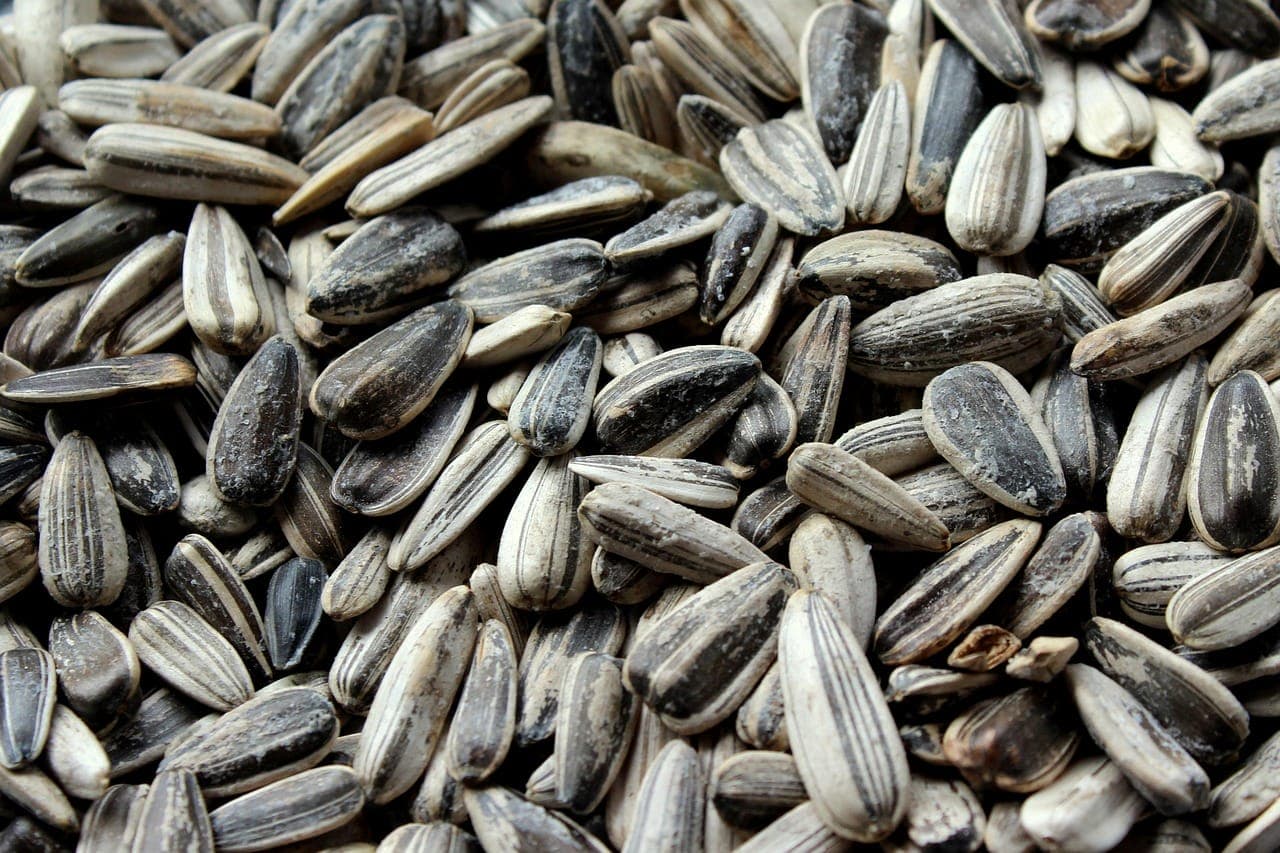
Striped high oleic hybrid with excellent yield potential and strong oleic acid content.
| Variety | Seed | Oil profile | Herbicide tolerance | Earliness | Use | Yield potential | Suitability for the region |
|---|---|---|---|---|---|---|---|
| LS SKIPPY | Striped | — | IMI | Early to very early | Bird food, oil and biofuel | 9/10 | 8/10 |
| LS Lollipop | Striped | Oleic | — | Early to very early | Bird and human food, oil and biofuel | 9/10 | 8/10 |
| L 22-01 S | Striped | Linoleic | — | Very early | Bird food, oil | 9/10 | 8/10 |
| LS SWIFT | Striped | Linoleic | — | Early to very early | Bird food, oil and biofuel | 8/10 | 8/10 |
| LSL18-02 I | Black | Linoleic | IMI | Early | Crushing | 10/10 | 7/10 |
| L 25-01 IOS | Striped | Oleic | IMI | Early to very early | Bird food, oil and biofuel | 10/10 | 7/10 |
| L 24-01 IS | Striped | Linoleic | IMI | Early | Bird food, oil | 9/10 | 7/10 |
| LS GLOBSUN | Black | Linoleic | — | Early | Crushing | 9/10 | 7/10 |
| LS Pickit | Striped | Linoleic | — | Early | Bird food, oil | 9/10 | 7/10 |
| LS Luminal | Black | Linoleic | — | Early | Crushing | 10/10 | 7/10 |
| L 15-13 OS – BLUEBIRD | Striped | Oleic | — | Early to very early | Bird food, oil and biofuel | 9/10 | 7/10 |
| LS Starly | Striped | Oleic | IMI | Early | Bird food, Oil and Industry | 10/10 | 7/10 |
| L 25-02 IOS | Striped | Oleic | — | Early to very early | Bird food, oil and biofuel | 10/10 | 7/10 |
Risks & watchpoints
Key agronomic watchpoints in this zone:
- Drought stress: 6/10.
- Rust: pressure 5/10.
- Summer heat stress: 5/10.
Other adapted crops in this zone
Other regions to grow sunflower
Agronomic summary
Grand Est, heterogeneous (fertile Alsace plain, chalky Champagne, Lorraine plateau, Ardennes), shows 927 GDD and a pronounced summer water deficit (-294 mm). Sunflower is marginal here, but ultra-early varieties (LS SKIPPY, LS Lollipop, l-25-01-ios) can valorise the best Alsatian soils (loess) or Champagne plains. The crop remains risky outside deep-soil zones able to buffer the water deficit.
Frequently asked questions
Which sunflower variety is best suited for Grand Est?
The varieties recommended above are pre-selected based on local climate, soil and disease pressure. Top picks combine adapted maturity, yield stability and the specific disease tolerances needed in Grand Est.
When is the best time to sow sunflower in Grand Est?
The favorable sowing window is typically from May to September. Exact timing depends on soil temperature (>10°C at 5 cm), weather forecast and your local agronomist's advice.
What yield can I expect from sunflower in Grand Est?
Yields depend on variety, agronomic management and the season. Under typical Grand Est conditions with good practices, our adapted varieties target stable, competitive commercial yields. Precise ranges are available on request.