
Growing Corn in Hauts-de-France
12 adapted varieties
In Hauts-de-France, the local agronomic conditions (Cfb — oceanic temperate climate, 903 growing degree days, silty clay loam soil at pH 7.4, 276 frost-free days) are particularly favorable to corn cultivation.
Favorable growing period: May to October.
Recommended varieties: LS Marelia, LS Norvia, ZETA 105
Climate
Limited growing degree days (903 GDD). Choose the earliest maturing varieties.
Notable summer water deficit (-215 mm). Pick drought-tolerant varieties.
Long frost-free season (276 days), allowing broad crop cycles.
Sowing calendar
Favorable growing period: May to October.
Soil & recommendations
Neutral pH (7.4), suitable for most crops.
Recommended varieties
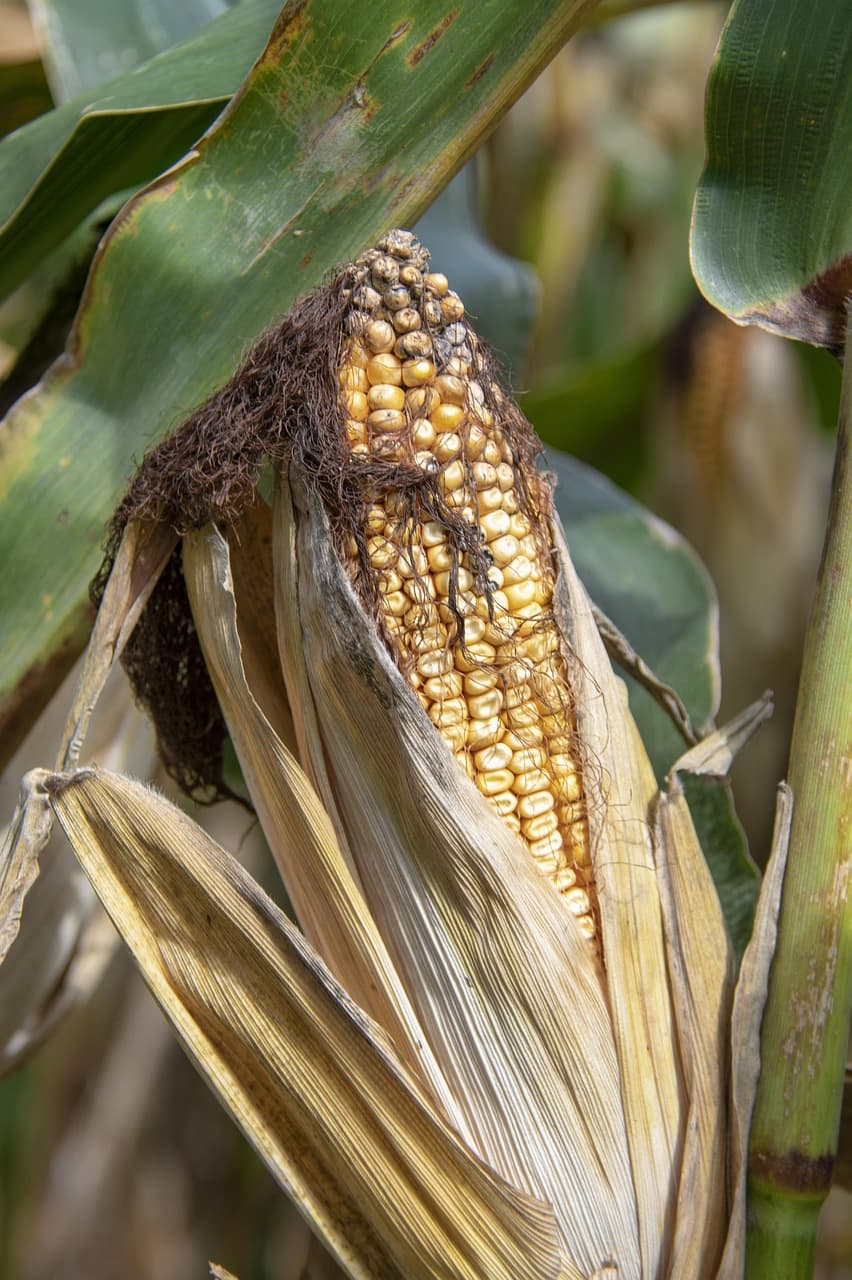
LS Marelia
Ultra early hybrid with fast dry down, strong density tolerance and excellent digestibility.
LS Norvia
Ultra-early hybrid with a very short cycle, rapid dry down, and strong digestibility.
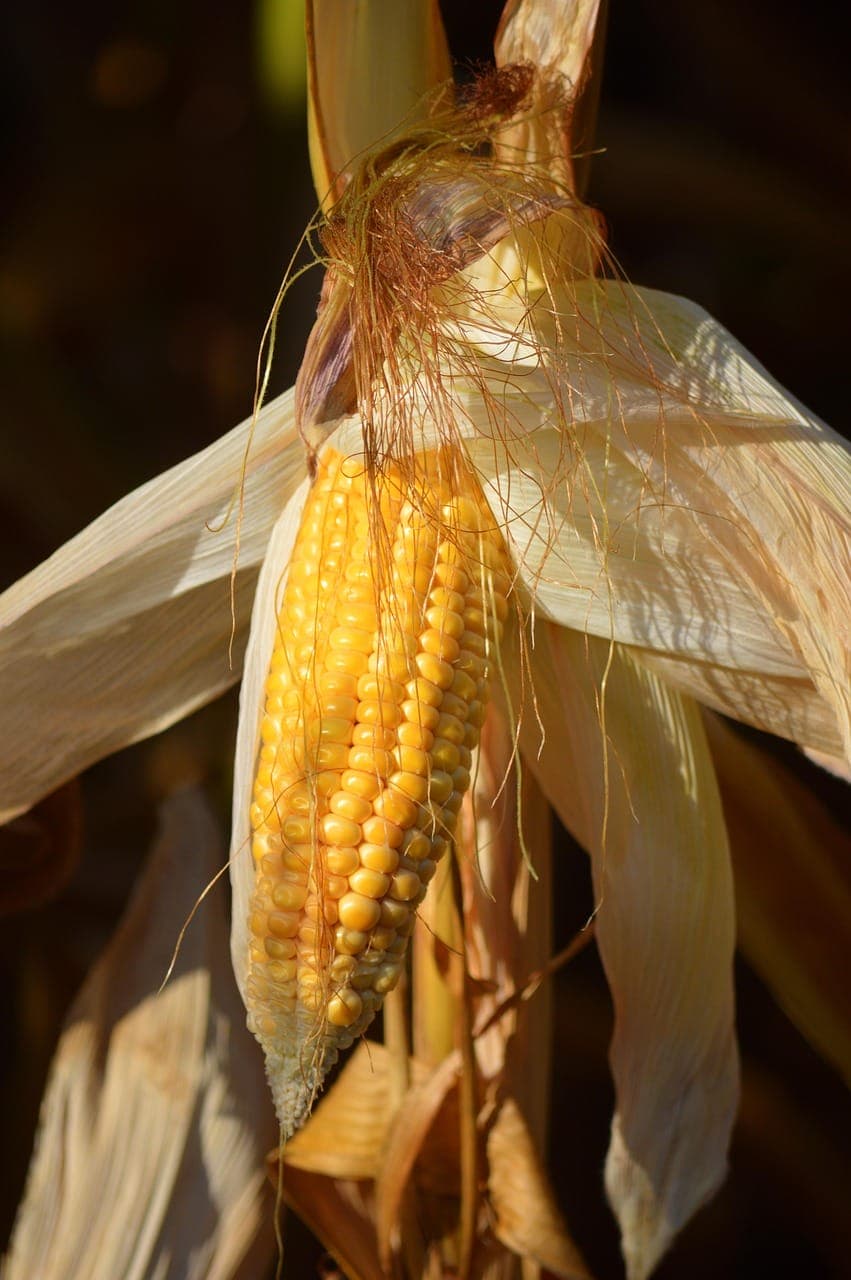
ZETA 105
Ultra-early hybrid with ultra-short cycle, rapid dry-down, and strong performance under dense planting.
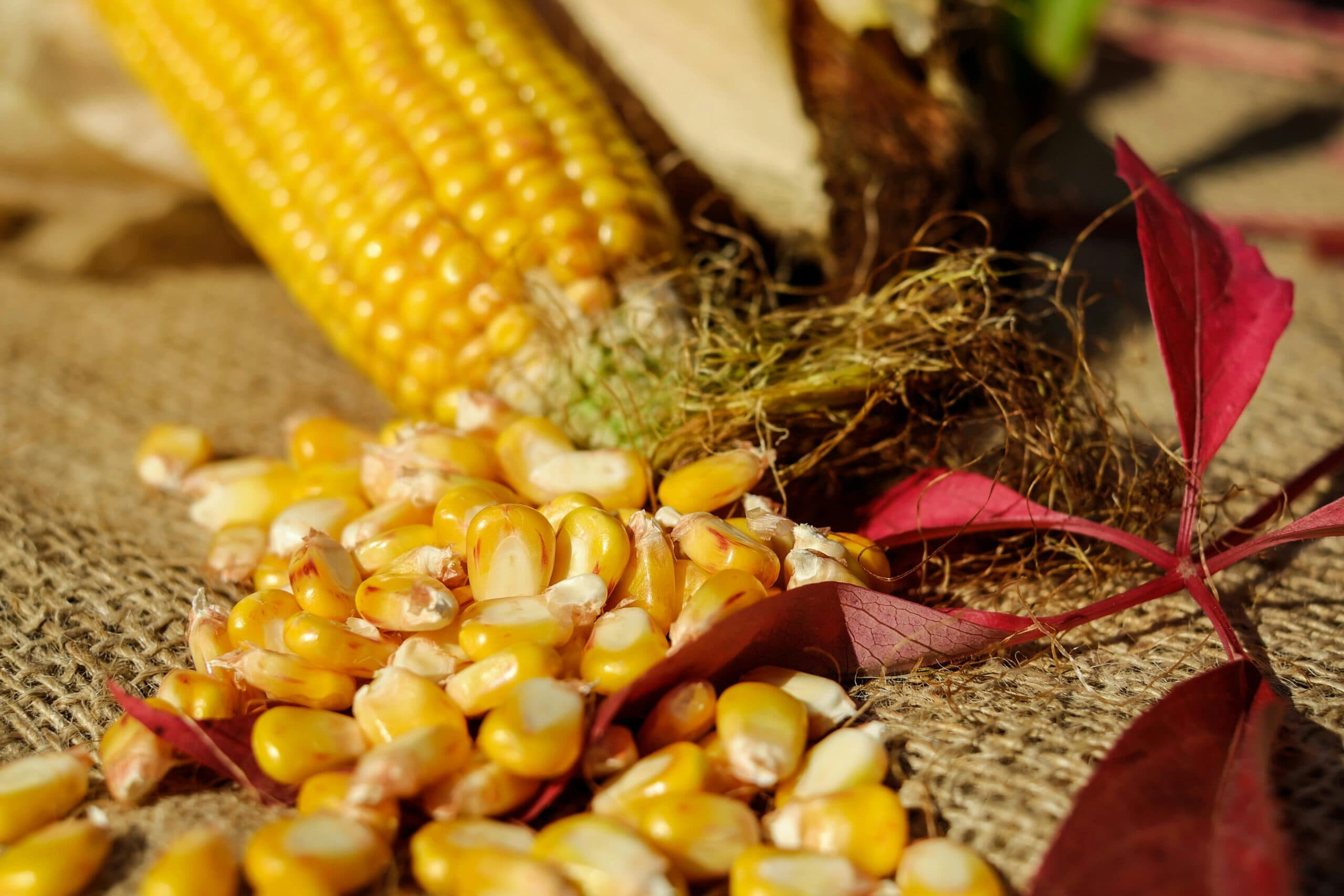
LS Maridol
Ultra-early hybrid with a very short cycle, ideal for early silage and fast grain maturity.
LS BAJKALIA
Ultra-early corn hybrid offering very fast dry down and excellent digestibility.
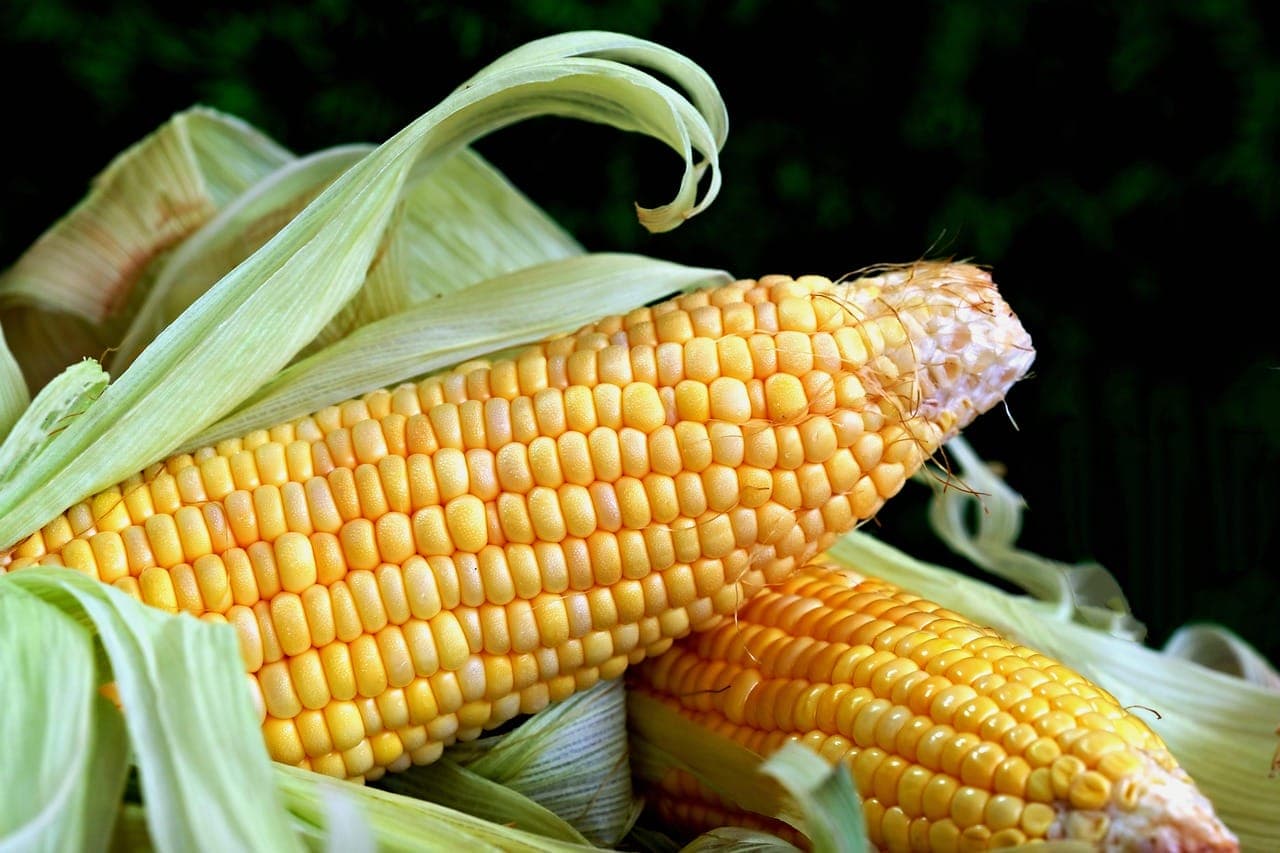
ZETA 115 S
Ultra-early hybrid with a very short cycle, rapid maturity, strong density adaptation and excellent feeding quality.
LS MARIDOL
Ultra-early hybrid with a very fast dry down and excellent digestibility.
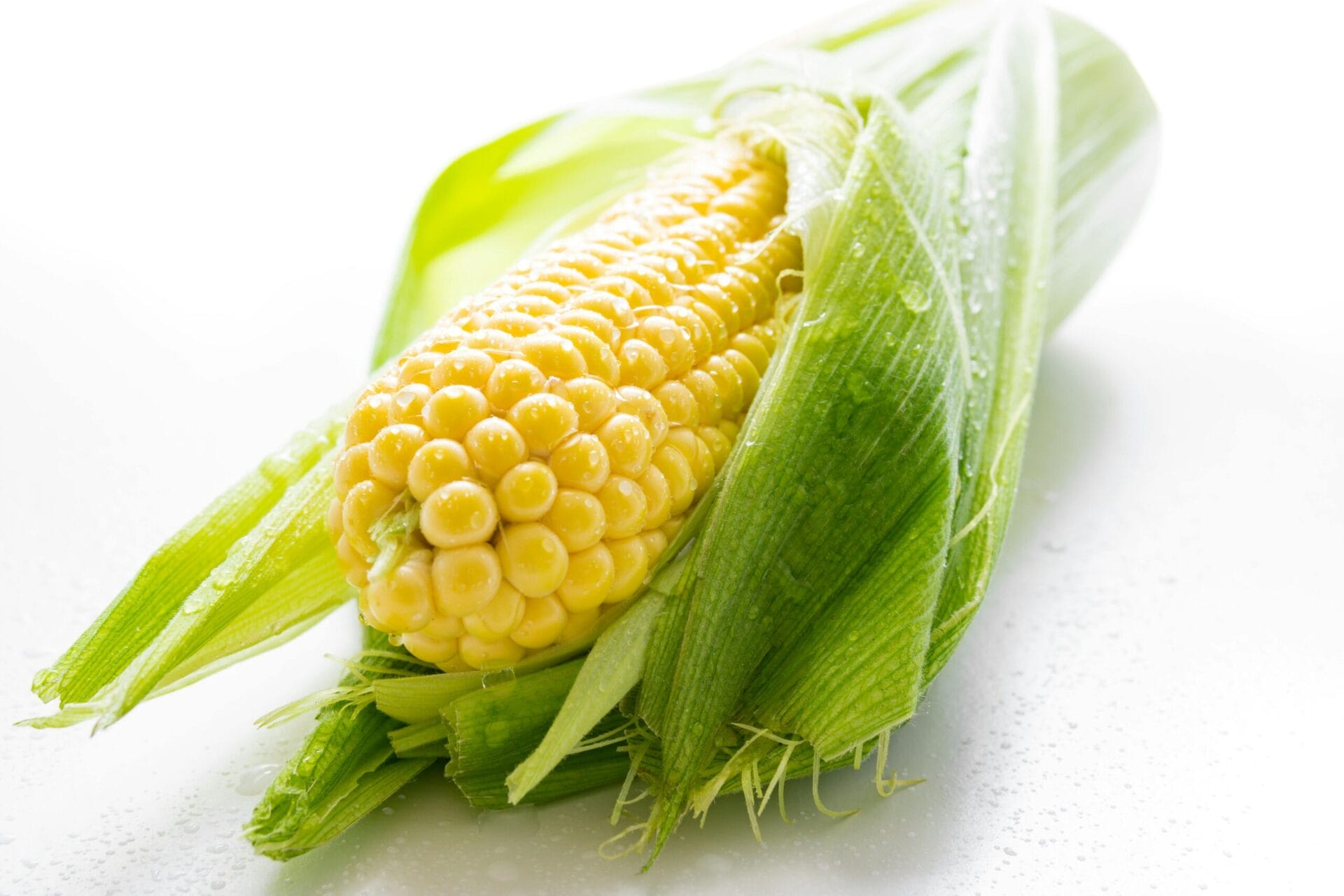
TA57-23
Ultra-early double-cross hybrid suited for catch cropping, high densities and strong digestibility.
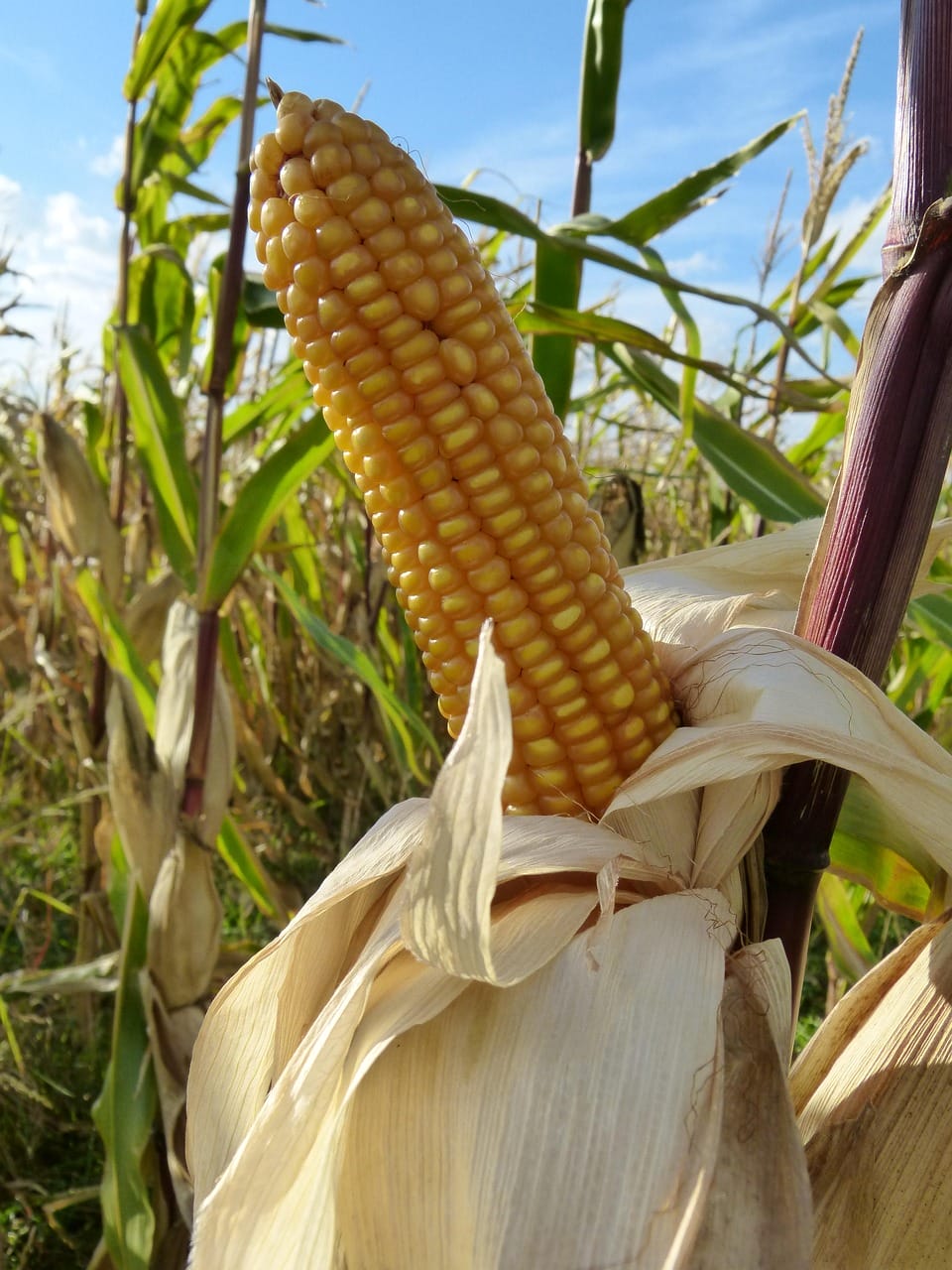
ZETA 120
Ultra-early hybrid with ultra-fast dry-down, strong density adaptation and very good forage digestibility.
ZETA 125
Ultra-early hybrid with ultra-fast dry-down, strong density adaptation and excellent forage digestibility.
LS Parisiana
Ultra early silage-oriented hybrid with high digestibility and strong adaptation to dense planting.
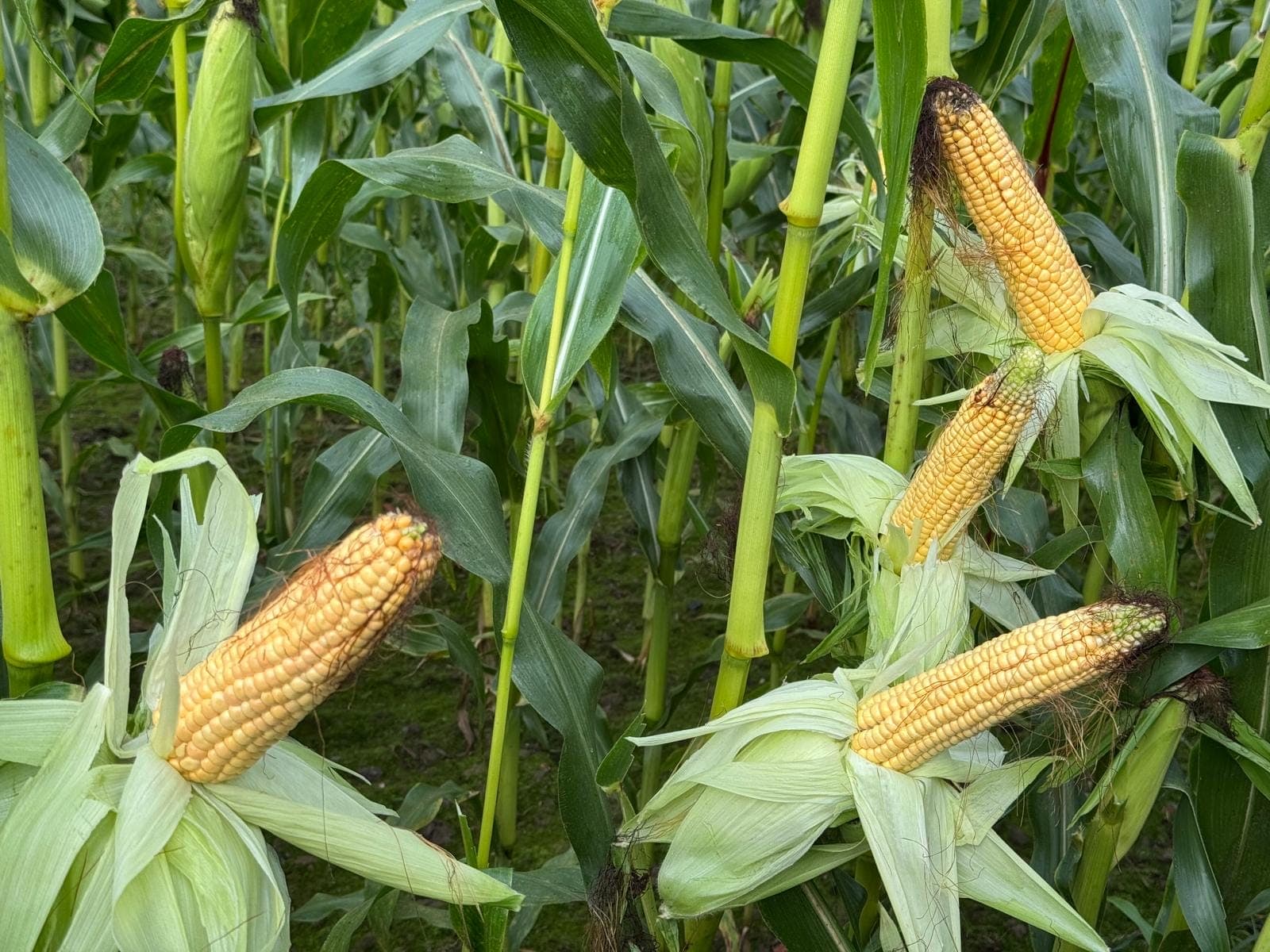
ZETA 110 S
Ultra-early hybrid with a very short cycle, fast dry-down, strong density adaptation and excellent grain-to-precocity ratio.
| Variety | Maturity (FAO) | Type | Use | Suitability for the region |
|---|---|---|---|---|
| LS Marelia | FAO 130 | Flint - soft flint | Grain and silage | 9/10 |
| LS Norvia | FAO 100 | Flint to semi-flint | Silage | 9/10 |
| ZETA 105 | FAO 105 | Flint – soft flint | Grain and silage | 9/10 |
| LS Maridol | FAO 120 | — | Silage - grain | 7/10 |
| LS BAJKALIA | FAO 120 | Flint – so flint | Silage | 7/10 |
| ZETA 115 S | FAO 115 | Flint | Silage and grain | 7/10 |
| LS MARIDOL | FAO 120 | Flint – so flint | Silage and grain | 7/10 |
| TA57-23 | FAO 120 | Flint to semi-flint | Silage | 7/10 |
| ZETA 120 | FAO 120 | Flint – soft flint | Grain and silage | 7/10 |
| ZETA 125 | FAO 125 | Flint – soft flint | Grain and silage | 7/10 |
| LS Parisiana | FAO 120 | Soft flint | Grain and silage | 7/10 |
| ZETA 110 S | FAO 110 | Flint | Silage and grain | 7/10 |
Other adapted crops in this zone
Other regions to grow corn
Agronomic summary
With only 903 GDD, Hauts-de-France only succeeds in grain maize with FAO 100–130 hybrids. LS Marelia, ZETA 105 and LS Norvia, ultra-early hybrids calibrated for short-season climates, can complete grain maturation in average years. Silage maize remains widely adapted thanks to the deep silt loams and summer rainfall (742 mm/year), especially in the Somme and Oise valleys where soil water remains sufficient through July–August.
Frequently asked questions
Which corn variety is best suited for Hauts-de-France?
The varieties recommended above are pre-selected based on local climate, soil and disease pressure. Top picks combine adapted maturity, yield stability and the specific disease tolerances needed in Hauts-de-France.
When is the best time to sow corn in Hauts-de-France?
The favorable sowing window is typically from May to October. Exact timing depends on soil temperature (>10°C at 5 cm), weather forecast and your local agronomist's advice.
What yield can I expect from corn in Hauts-de-France?
Yields depend on variety, agronomic management and the season. Under typical Hauts-de-France conditions with good practices, our adapted varieties target stable, competitive commercial yields. Precise ranges are available on request.