
Growing Corn in Bourgogne-Franche-Comté
16 adapted varieties
In Bourgogne-Franche-Comté, the local agronomic conditions (Cfb — oceanic temperate climate, 993 growing degree days, silty clay loam soil at pH 6.5, 251 frost-free days) are particularly favorable to corn cultivation.
Favorable growing period: May to October.
Recommended varieties: ZETA 105, LS Maridol, TA57-23
Climate
Limited growing degree days (993 GDD). Choose the earliest maturing varieties.
Notable summer water deficit (-312 mm). Pick drought-tolerant varieties.
Long frost-free season (251 days), allowing broad crop cycles.
Sowing calendar
Favorable growing period: May to October.
Soil & recommendations
Neutral pH (6.5), suitable for most crops.
Recommended varieties
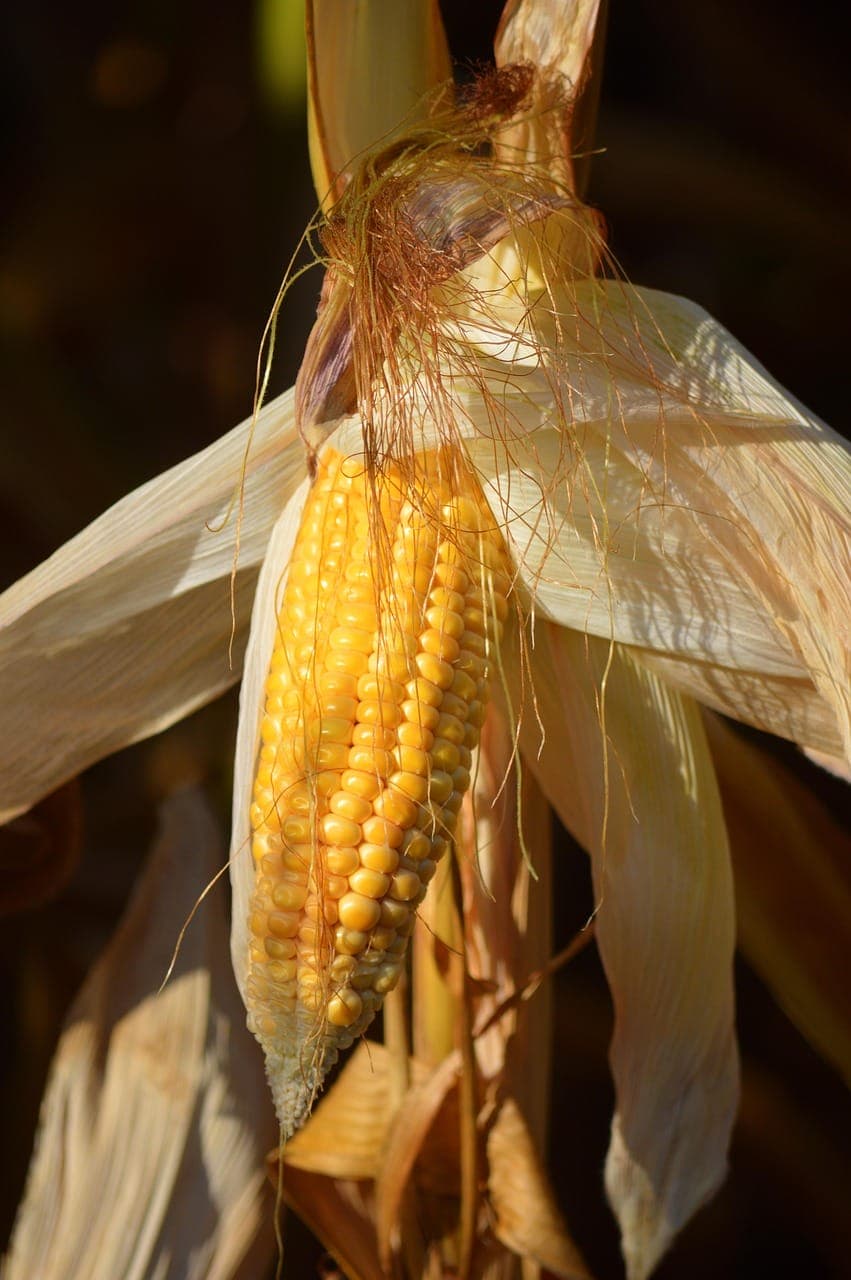
ZETA 105
Ultra-early hybrid with ultra-short cycle, rapid dry-down, and strong performance under dense planting.
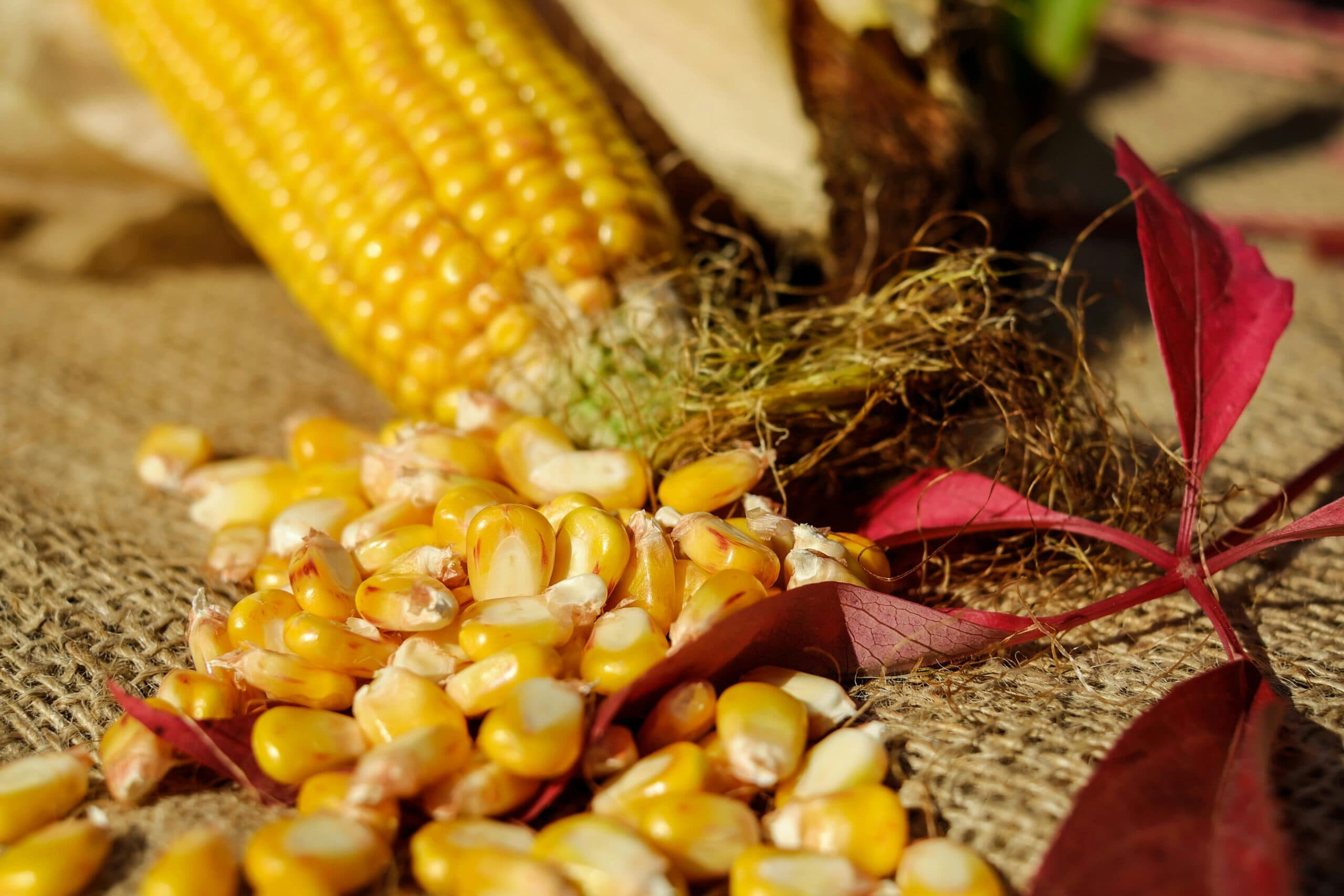
LS Maridol
Ultra-early hybrid with a very short cycle, ideal for early silage and fast grain maturity.
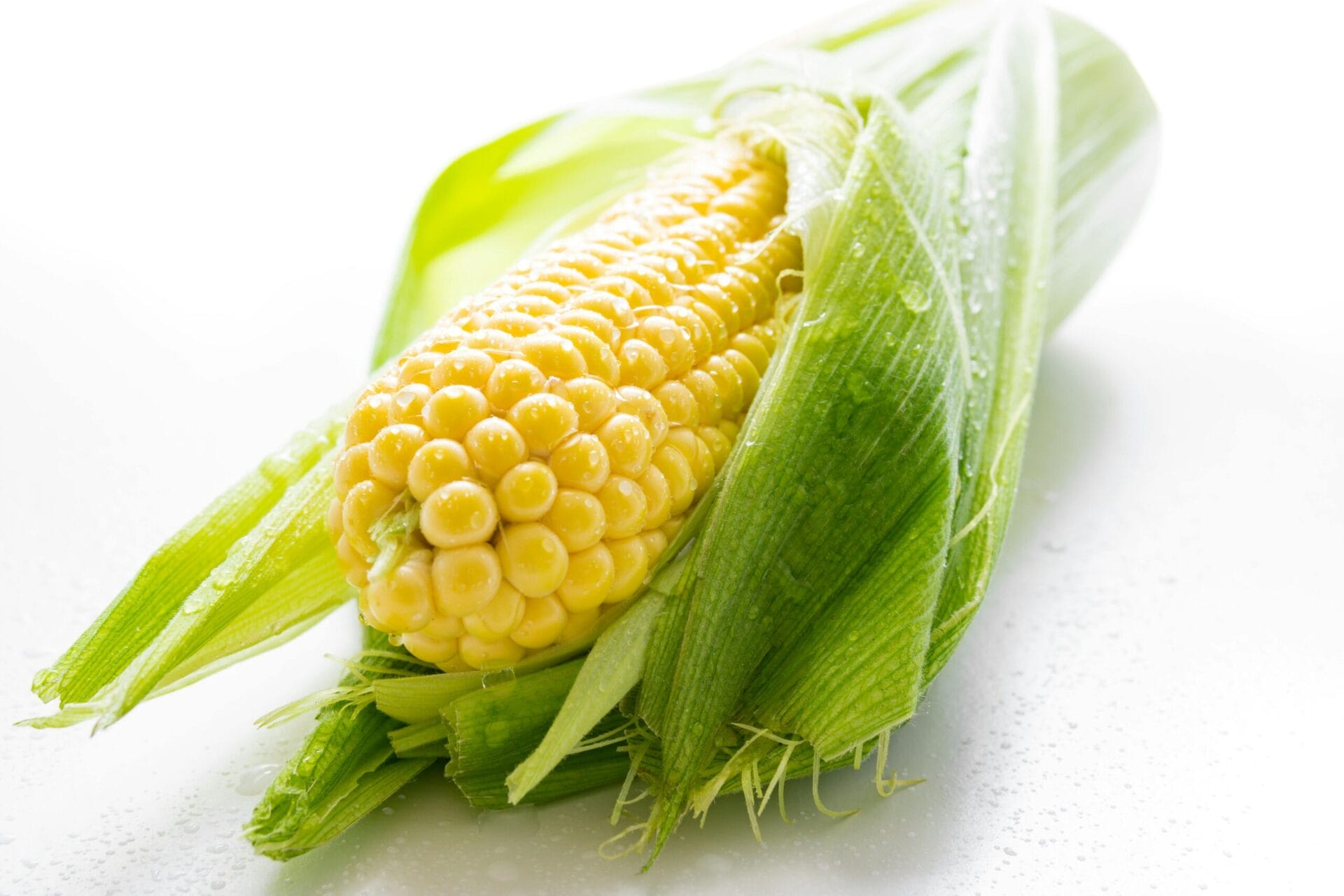
TA57-23
Ultra-early double-cross hybrid suited for catch cropping, high densities and strong digestibility.
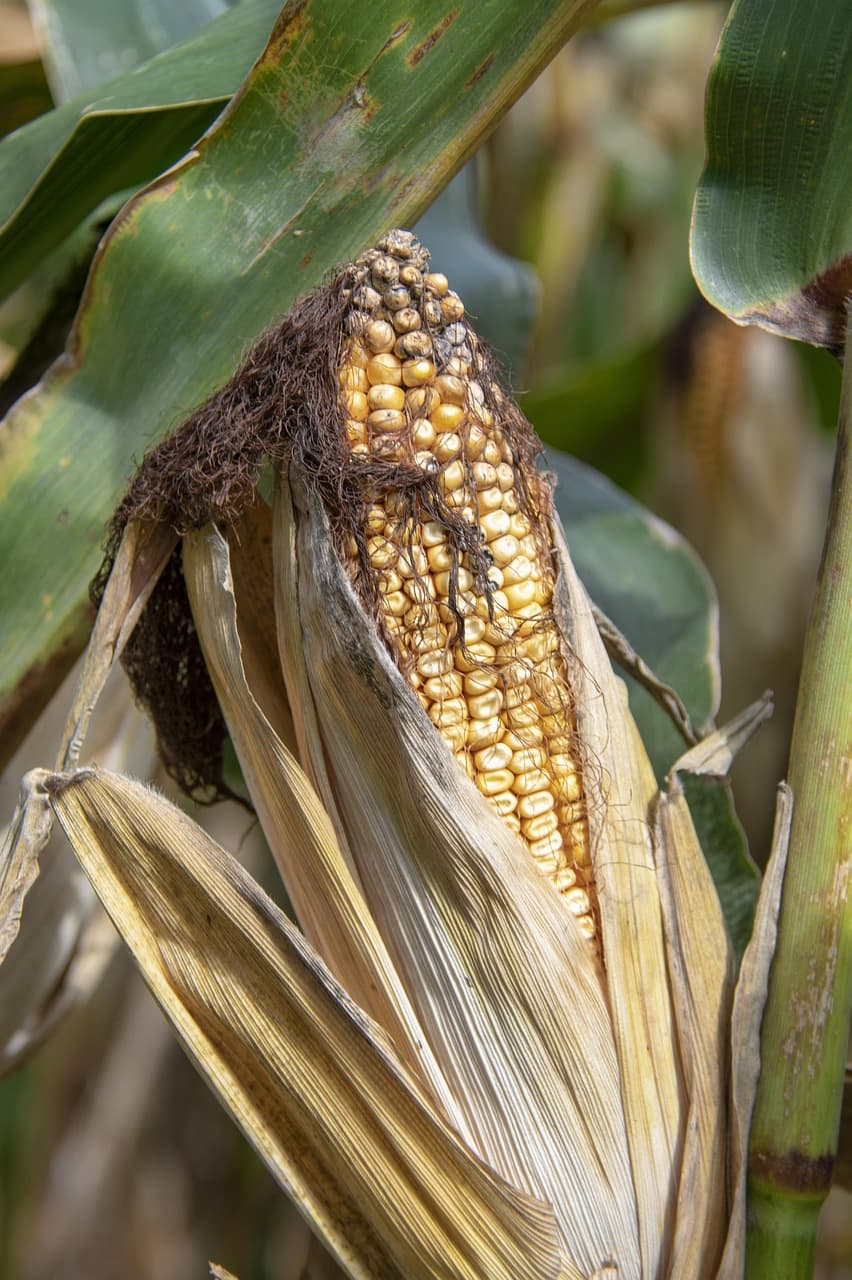
LS Marelia
Ultra early hybrid with fast dry down, strong density tolerance and excellent digestibility.
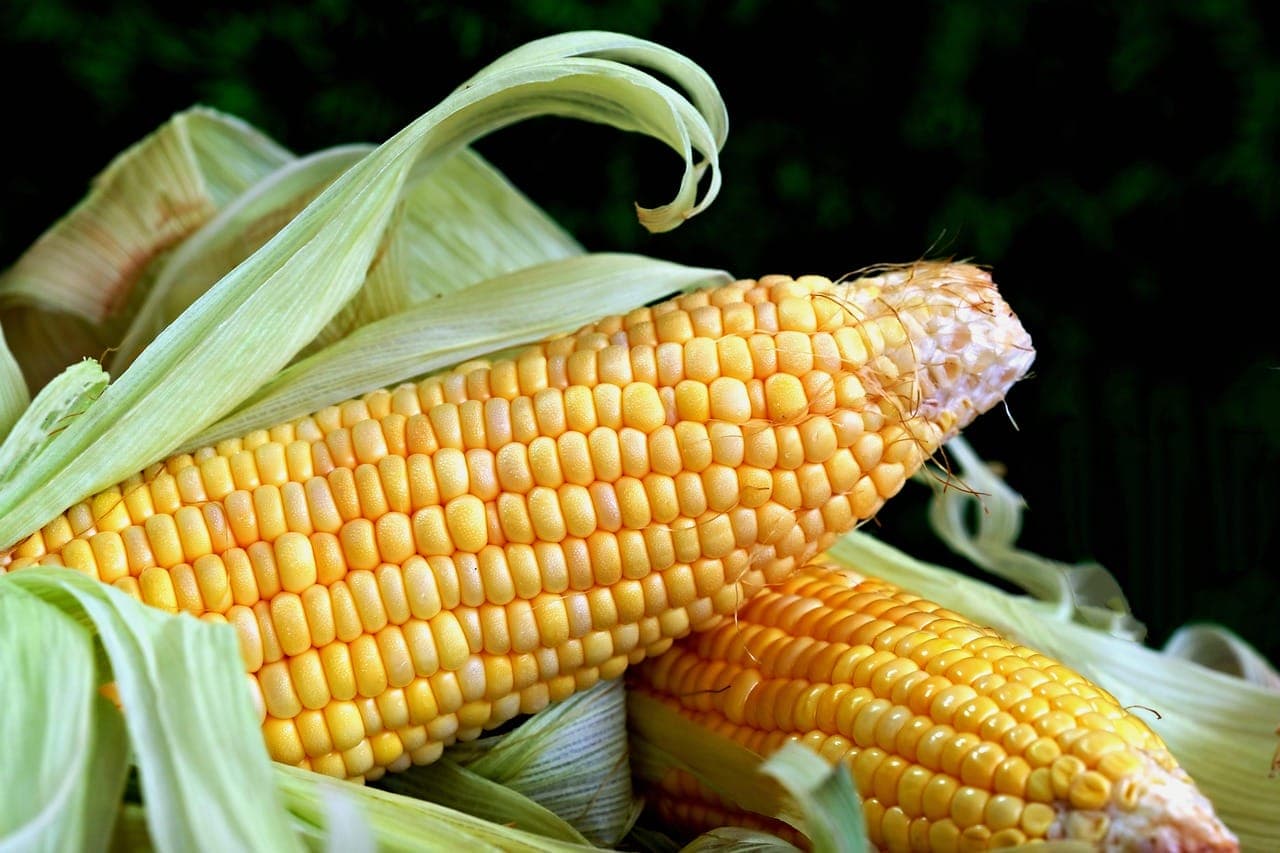
ZETA 115 S
Ultra-early hybrid with a very short cycle, rapid maturity, strong density adaptation and excellent feeding quality.
LS BAJKALIA
Ultra-early corn hybrid offering very fast dry down and excellent digestibility.
LS MARIDOL
Ultra-early hybrid with a very fast dry down and excellent digestibility.
LS Norvia
Ultra-early hybrid with a very short cycle, rapid dry down, and strong digestibility.
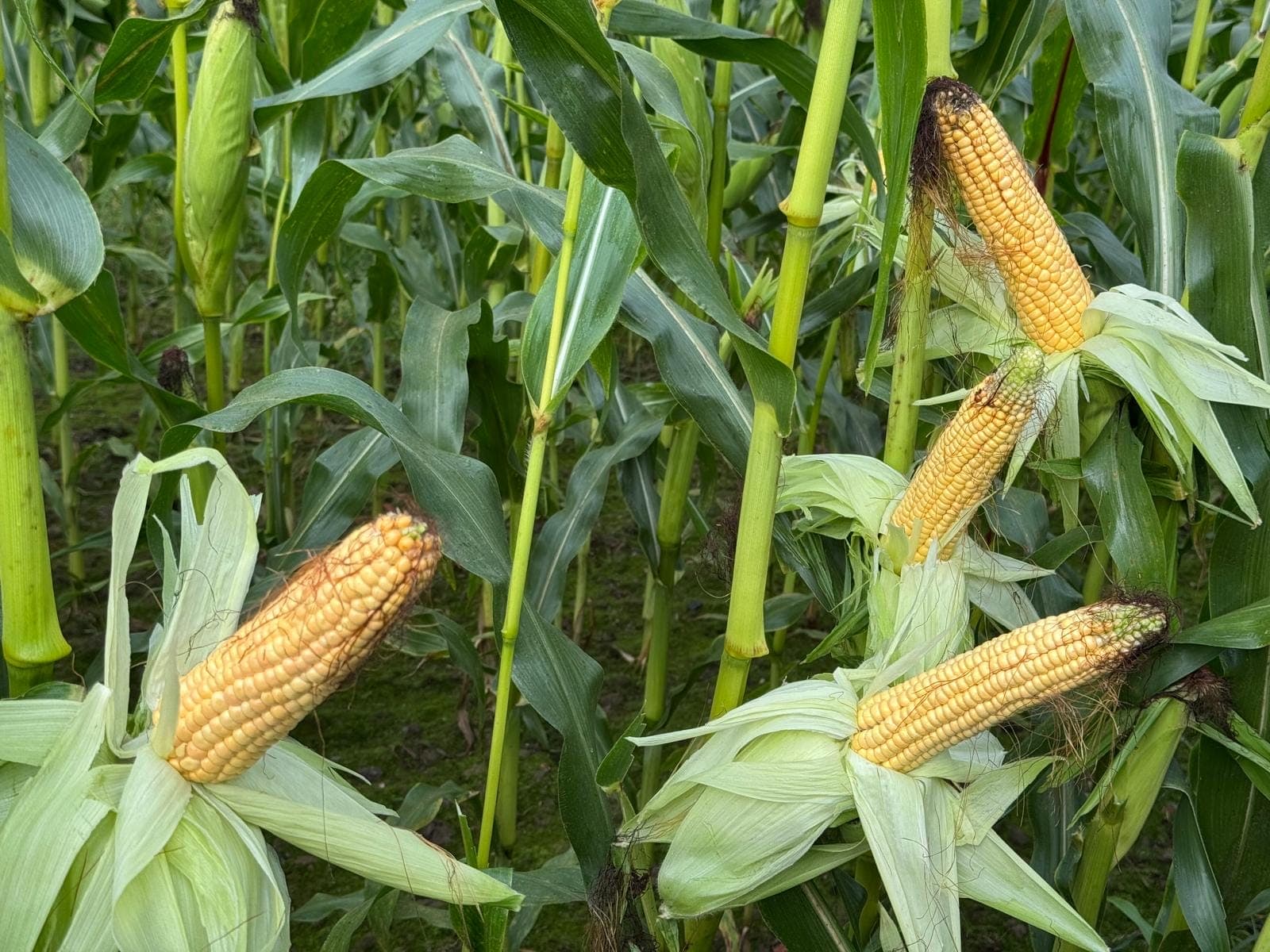
ZETA 110 S
Ultra-early hybrid with a very short cycle, fast dry-down, strong density adaptation and excellent grain-to-precocity ratio.
LS Parisiana
Ultra early silage-oriented hybrid with high digestibility and strong adaptation to dense planting.
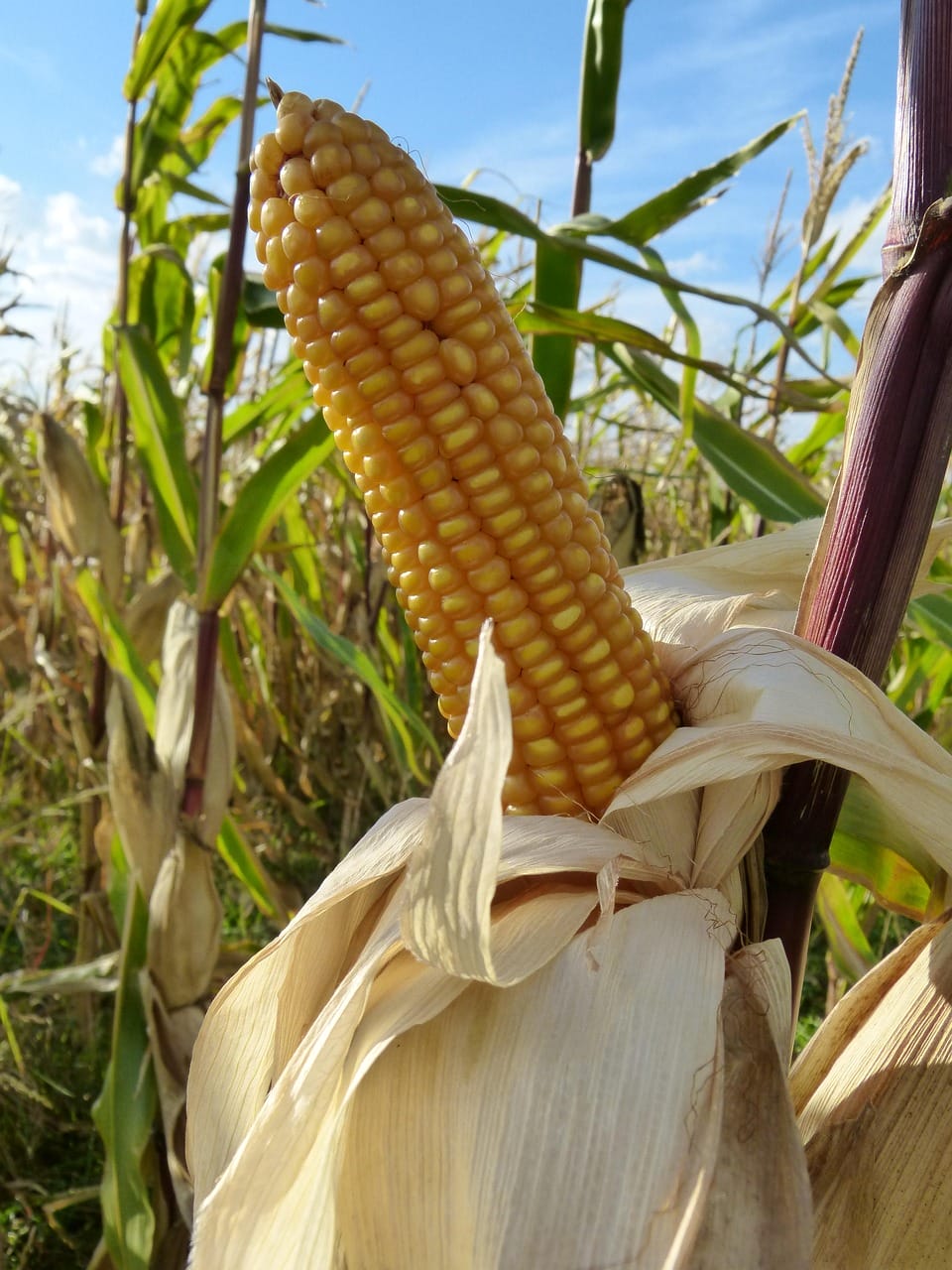
ZETA 120
Ultra-early hybrid with ultra-fast dry-down, strong density adaptation and very good forage digestibility.
ZETA 125
Ultra-early hybrid with ultra-fast dry-down, strong density adaptation and excellent forage digestibility.
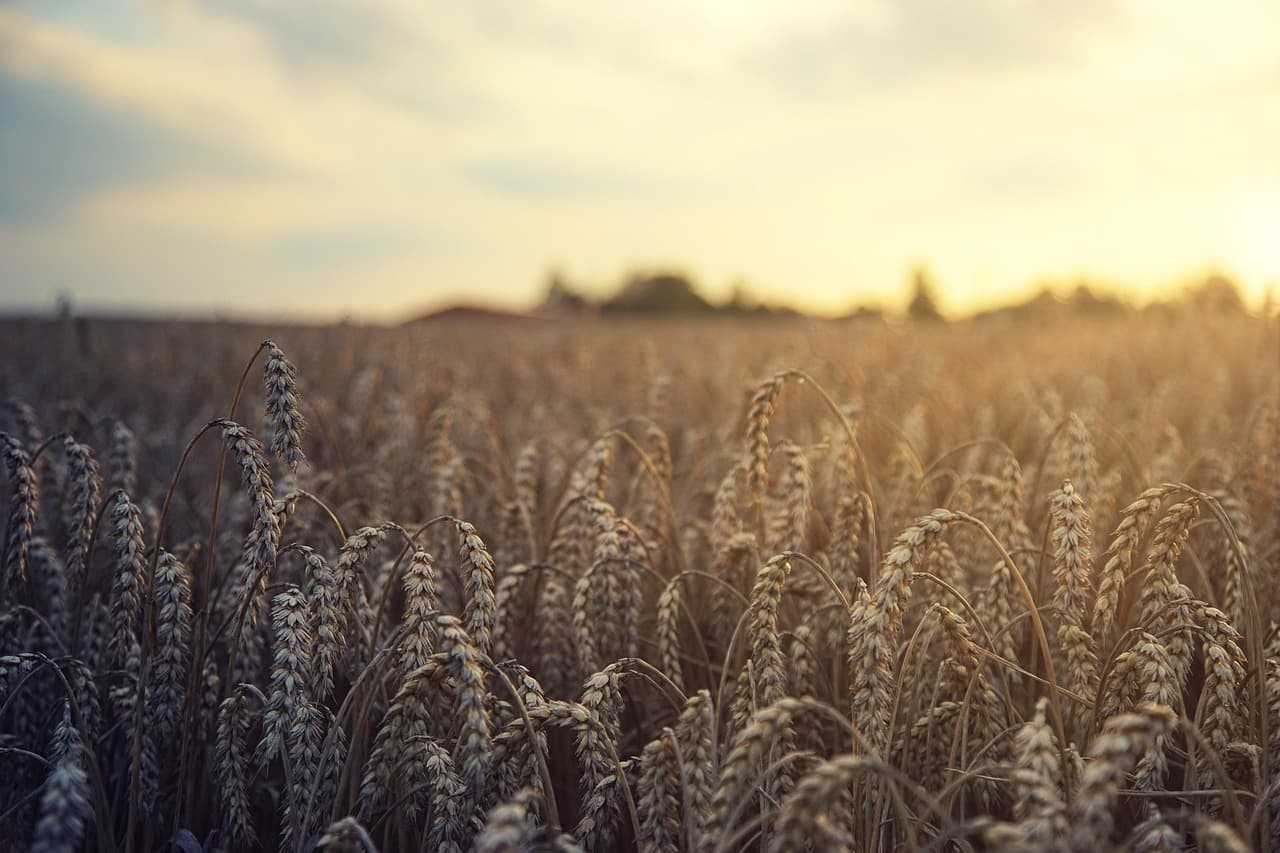
LS Amuria
Very early double-hybrid maize with strong forage quality and excellent digestibility.
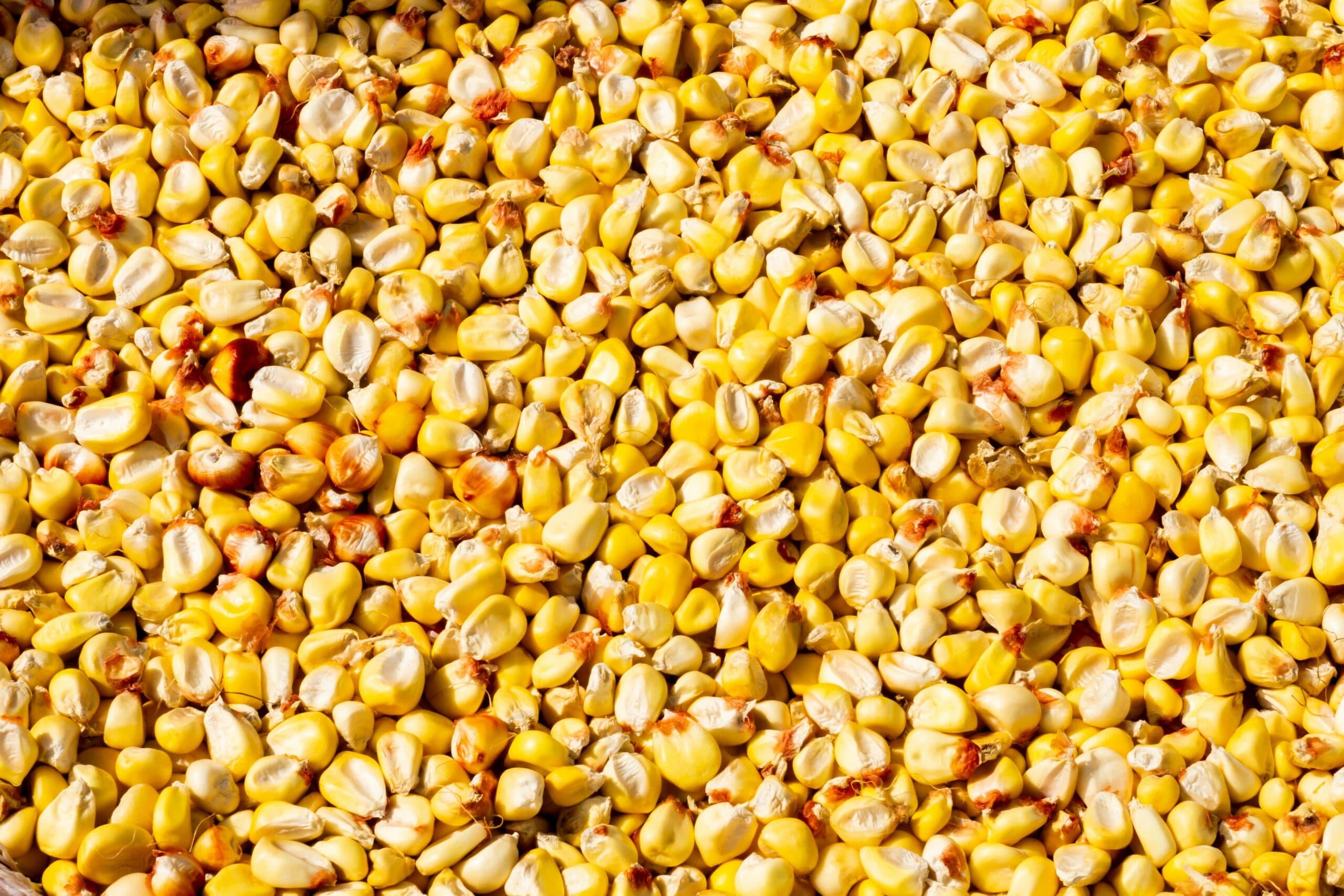
LS Arolia
Ultra-early hybrid delivering high forage yield, strong feed value and excellent digestibility.
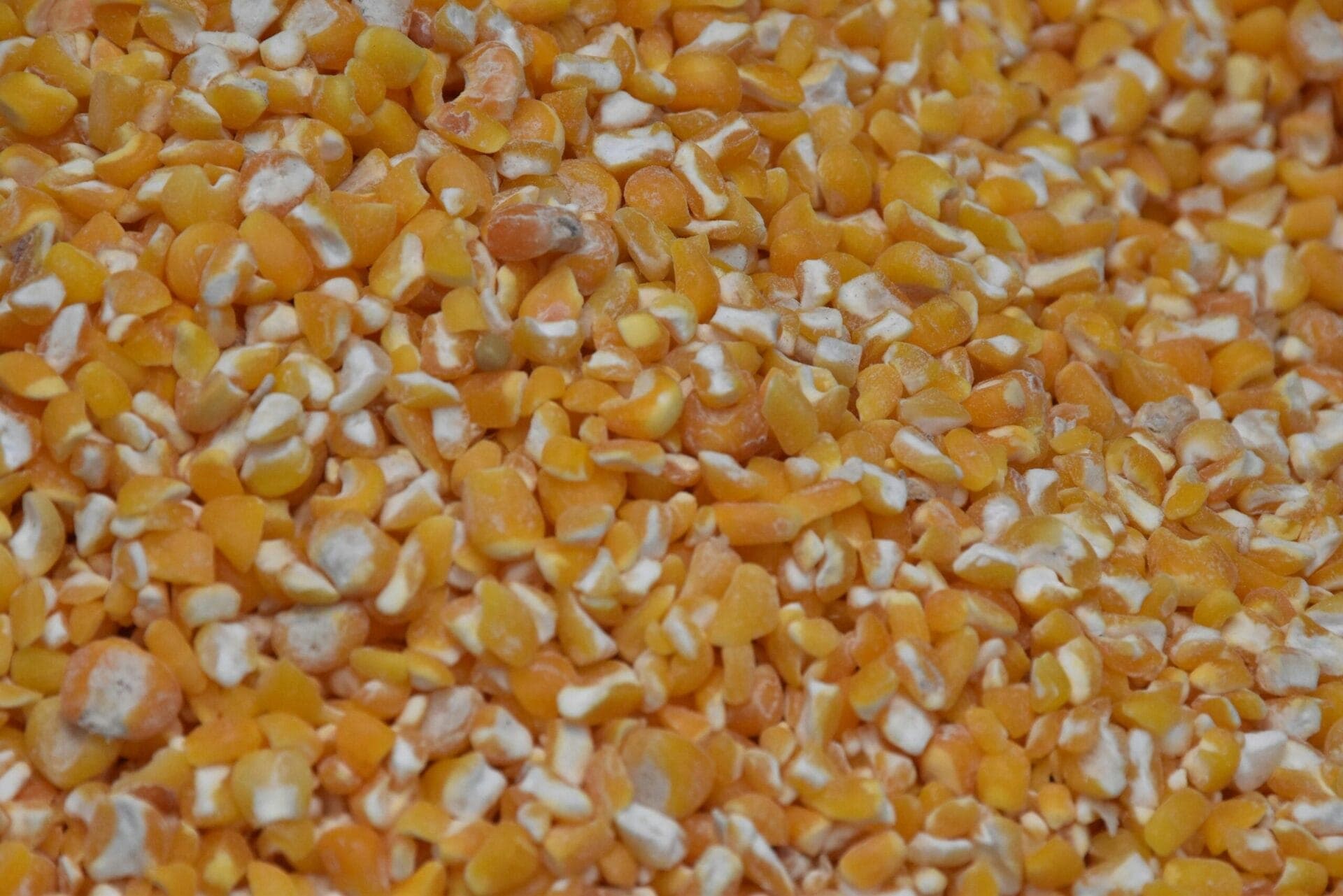
LS Siliciana
Very early double-cross hybrid delivering strong silage yield, good forage quality and reliable digestibility.
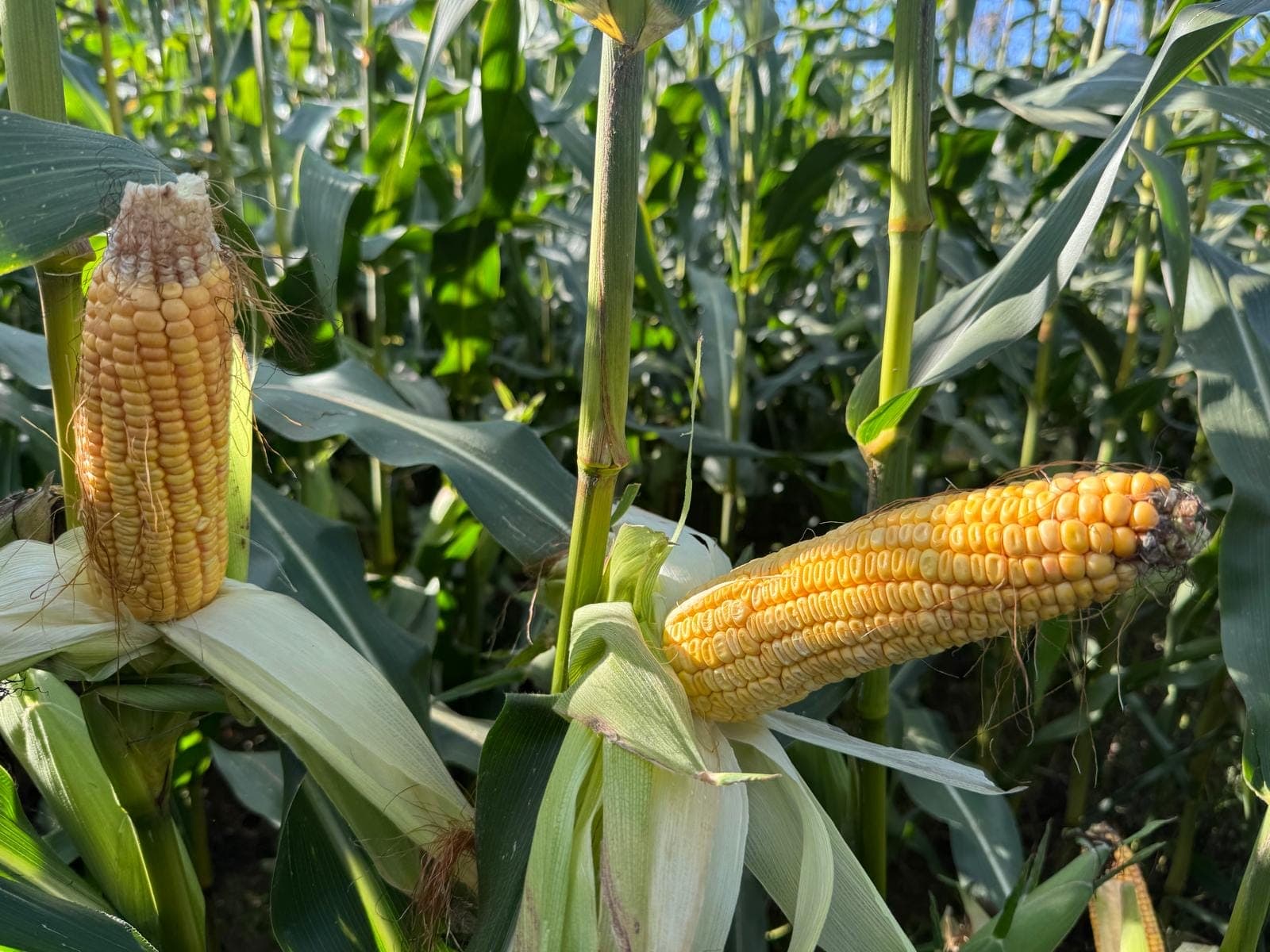
ZETA 140 S
Very early hybrid with ultra-short cycle, excellent silage quality, strong grain potential and catch cropping suitability.
| Variety | Maturity (FAO) | Type | Use | Suitability for the region |
|---|---|---|---|---|
| ZETA 105 | FAO 105 | Flint – soft flint | Grain and silage | 8/10 |
| LS Maridol | FAO 120 | — | Silage - grain | 8/10 |
| TA57-23 | FAO 120 | Flint to semi-flint | Silage | 8/10 |
| LS Marelia | FAO 130 | Flint - soft flint | Grain and silage | 8/10 |
| ZETA 115 S | FAO 115 | Flint | Silage and grain | 8/10 |
| LS BAJKALIA | FAO 120 | Flint – so flint | Silage | 8/10 |
| LS MARIDOL | FAO 120 | Flint – so flint | Silage and grain | 8/10 |
| LS Norvia | FAO 100 | Flint to semi-flint | Silage | 8/10 |
| ZETA 110 S | FAO 110 | Flint | Silage and grain | 8/10 |
| LS Parisiana | FAO 120 | Soft flint | Grain and silage | 8/10 |
| ZETA 120 | FAO 120 | Flint – soft flint | Grain and silage | 8/10 |
| ZETA 125 | FAO 125 | Flint – soft flint | Grain and silage | 8/10 |
| LS Amuria | FAO 170 | Semi-dent corn | Silage | 7/10 |
| LS Arolia | FAO 120 | — | Silage | 7/10 |
| LS Siliciana | FAO 170 | Flint to semi-flint | Silage | 7/10 |
| ZETA 140 S | FAO 140 | Flint–dent to dent | Silage and grain | 7/10 |
Risks & watchpoints
Key agronomic watchpoints in this zone:
- Rootworm: pressure 6/10.
- Drought stress: 6/10.
- European corn borer: pressure 5/10.
Other adapted crops in this zone
Other regions to grow corn
Agronomic summary
Maize in Bourgogne-Franche-Comté is squeezed between thermal (993 GDD) and water (-312 mm) constraints. Ultra-early varieties (LS Bajkalia FAO 120, ZETA 105, LS Marelia) are essential for rainfed grain. Silage maize remains competitive in the Charolais and Comtois livestock zones thanks to adequate rainfall (700–800 mm) and deep silt-clay soils that retain water well.
Frequently asked questions
Which corn variety is best suited for Bourgogne-Franche-Comté?
The varieties recommended above are pre-selected based on local climate, soil and disease pressure. Top picks combine adapted maturity, yield stability and the specific disease tolerances needed in Bourgogne-Franche-Comté.
When is the best time to sow corn in Bourgogne-Franche-Comté?
The favorable sowing window is typically from May to October. Exact timing depends on soil temperature (>10°C at 5 cm), weather forecast and your local agronomist's advice.
What yield can I expect from corn in Bourgogne-Franche-Comté?
Yields depend on variety, agronomic management and the season. Under typical Bourgogne-Franche-Comté conditions with good practices, our adapted varieties target stable, competitive commercial yields. Precise ranges are available on request.