
Growing Castor bean in Corse
4 adapted varieties
In Corse, the local agronomic conditions (Cfa — humid subtropical climate, 2268 growing degree days, loam soil at pH 7, 347 frost-free days) are particularly favorable to castor bean cultivation.
Favorable growing period: March to November.
Recommended varieties: LS Marilou, LS Peter, LS Harold
Climate
Sufficient growing degree days (2268 GDD) to complete the castor bean cycle.
Balanced summer water budget — no significant water stress.
Long frost-free season (347 days), allowing broad crop cycles.
Sowing calendar
Favorable growing period: March to November.
Soil & recommendations
Neutral pH (7), suitable for most crops.
Recommended varieties
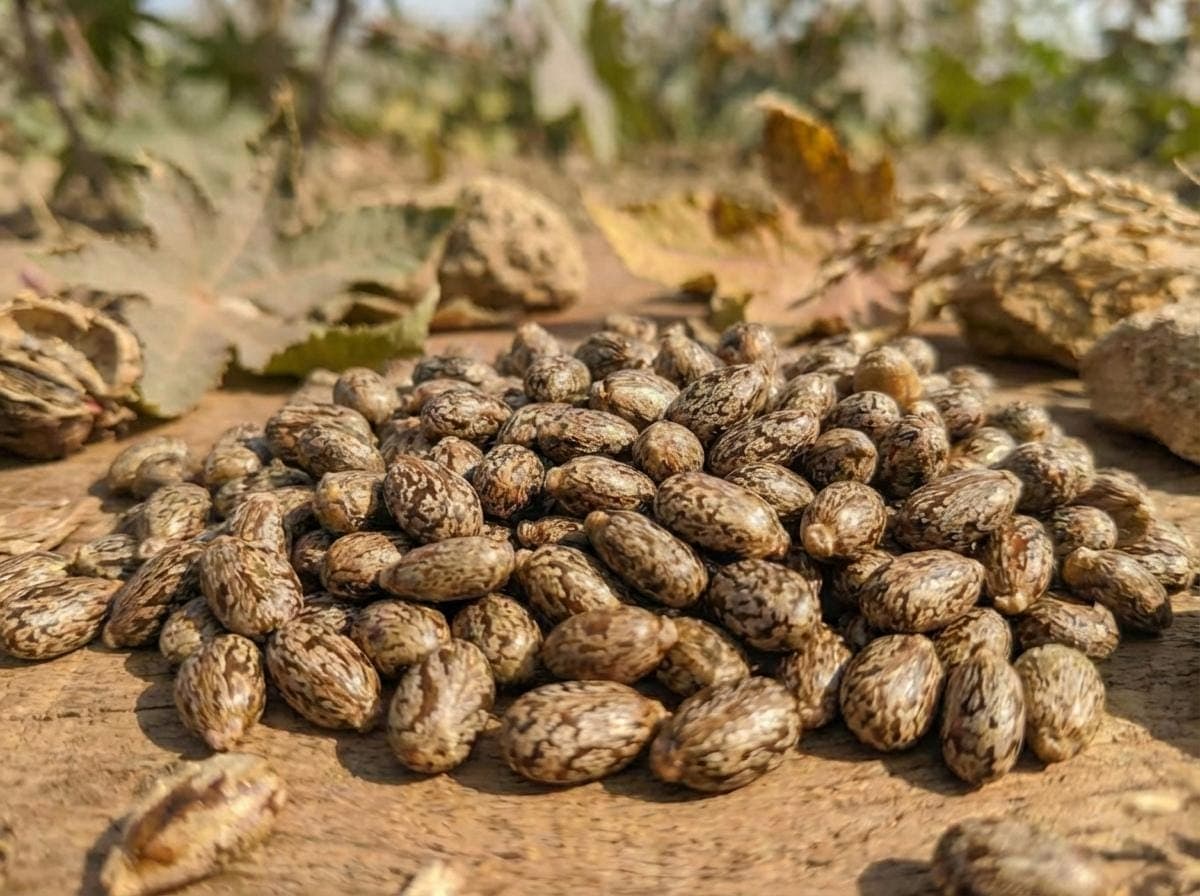
LS Marilou
Giant castor bean with high yield, very tall plants and strong adaptability.
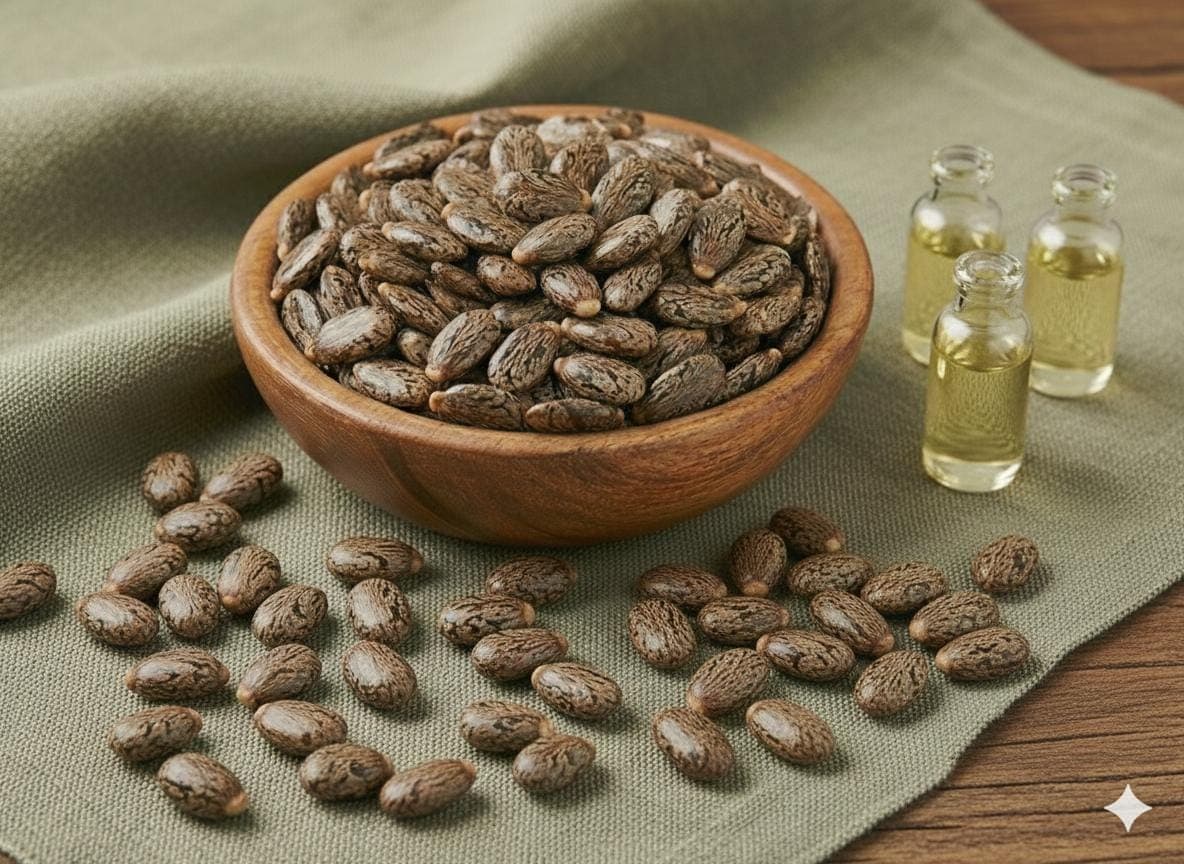
LS Peter
Very early dwarf castor bean hybrid with strong productivity and good adaptability.
LS Harold
Dwarf castor bean hybrid with test good yield potential, lodging resistance and regular plant type.
LS Suzi
Semi-dwarf castor bean hybrid with high yield, early development and strong adaptability.
| Variety | Type | Earliness | Yield potential | Sowing | Harvest | Suitability for the region |
|---|---|---|---|---|---|---|
| LS Marilou | Giant castor bean | Semi-early | 9/10 | allow 1 m between rows and 1 m between plants | Manual harvest | 9/10 |
| LS Peter | Dwarf castor bean | Very early | 10/10 | allow 0.8 m between rows and 1 m between plants | Mechanical harvest | 8/10 |
| LS Harold | Dwarf castor bean | Very early flowering and maturity | 9/10 | allow 0.8 m between rows and 0.5 m between plants | Mechanical harvest | 8/10 |
| LS Suzi | Semi-dwarf castor bean | Early | 10/10 | allow 1 m between rows and 1 m between plants | Mechanical harvest | 8/10 |
Risks & watchpoints
Key agronomic watchpoints in this zone:
- Summer heat stress: 7/10.
Other adapted crops in this zone
Other regions to grow castor bean
Agronomic summary
Corsica meets excellent conditions for castor bean: 2,268 GDD comfortably cover the thermal needs (130–200 day cycle), the long frost-free season (347 days) secures full maturation, and loamy soils at pH 7 suit the crop perfectly. LS Marilou (giant castor), LS Suzi (semi-dwarf) and LS Peter (dwarf) can diversify the island's value chains by valorising difficult lands or experimental rotations on the eastern coast.
Frequently asked questions
Which castor bean variety is best suited for Corse?
The varieties recommended above are pre-selected based on local climate, soil and disease pressure. Top picks combine adapted maturity, yield stability and the specific disease tolerances needed in Corse.
When is the best time to sow castor bean in Corse?
The favorable sowing window is typically from March to November. Exact timing depends on soil temperature (>10°C at 5 cm), weather forecast and your local agronomist's advice.
What yield can I expect from castor bean in Corse?
Yields depend on variety, agronomic management and the season. Under typical Corse conditions with good practices, our adapted varieties target stable, competitive commercial yields. Precise ranges are available on request.